


Swapping Solid Tires to Pneumatic: A Heat Gun Mastery Guide for Rugged Commuters
TL;DR - Key Takeaways
- Converting from solid to pneumatic tires dramatically improves ride comfort and traction on uneven urban surfaces.
- A controlled heat gun technique softens the tire bead without damaging rims—critical for non-removable hub motors.
- Proper seating of the new pneumatic bead requires precise initial inflation pressure and rim tape inspection to prevent pinch flats.
Many riders start with solid tires for their "maintenance-free" promise—only to discover the brutal trade-off: every crack, cobblestone, and expansion joint transmits directly into your spine. The solution? Swapping to pneumatic tires. But unlike bicycles, most e-scooters feature integrated hub motors and non-standard rim geometries that make traditional tire levers risky or impossible. That’s where thermal manipulation comes in—not brute force.
Why Heat Works: The Physics of Rubber Elasticity
Rubber’s modulus of elasticity drops sharply above 60°C (140°F). At this threshold, the polymer chains gain enough kinetic energy to slide past each other temporarily, allowing the tire bead to expand just enough to slip over the rim flange. Go too hot (>90°C), and you risk degrading the rubber or warping aluminum rims. This isn’t guesswork—it’s material science applied in your garage.

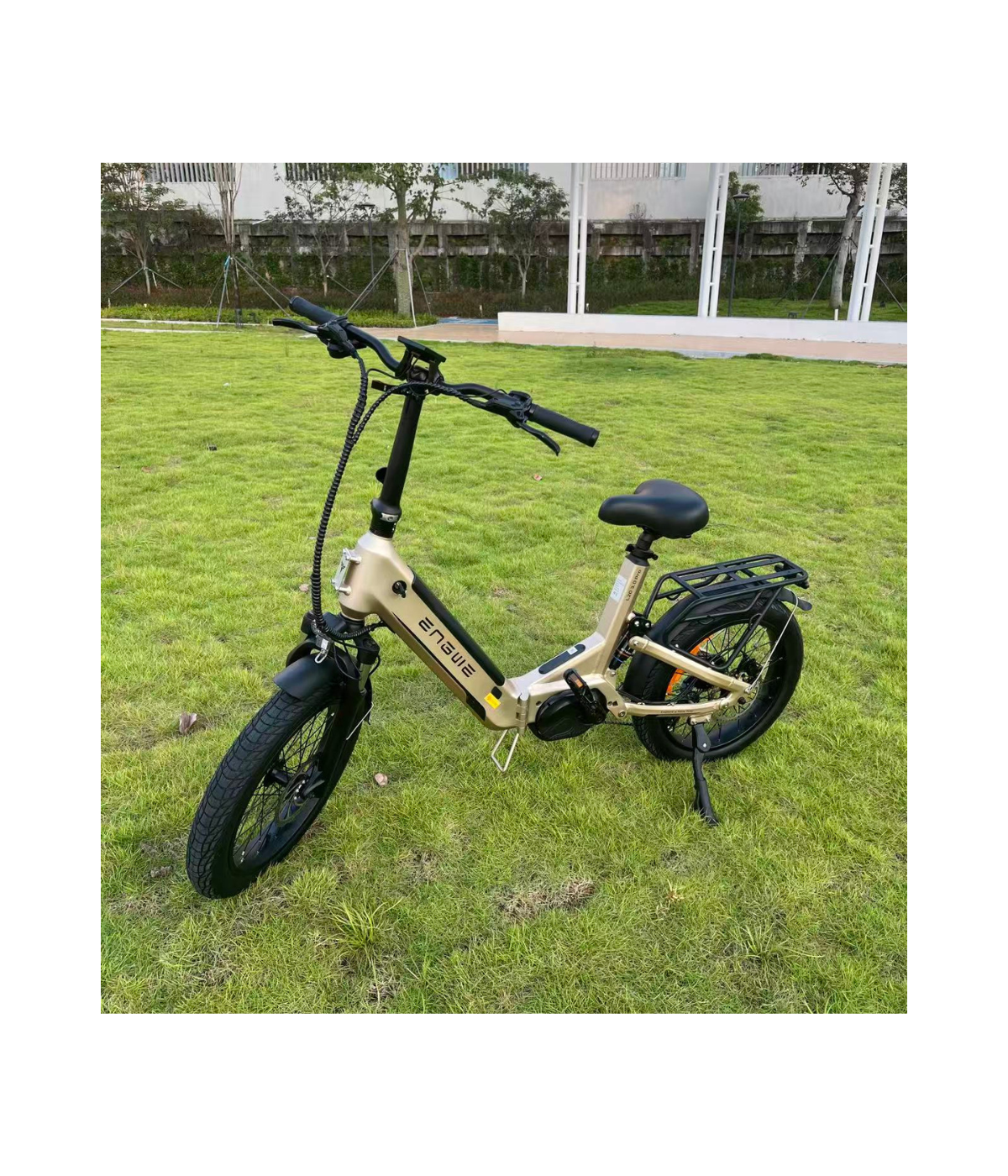
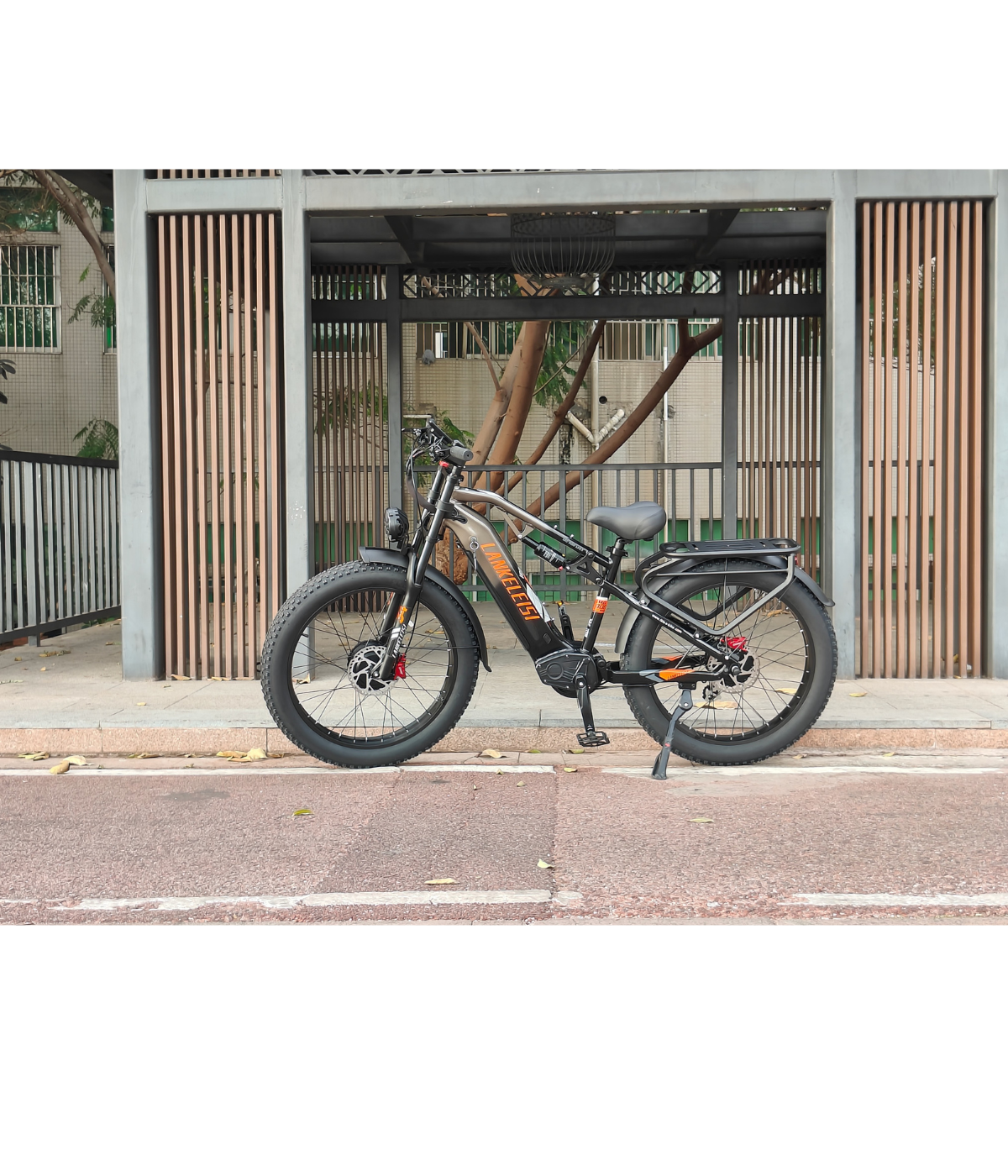
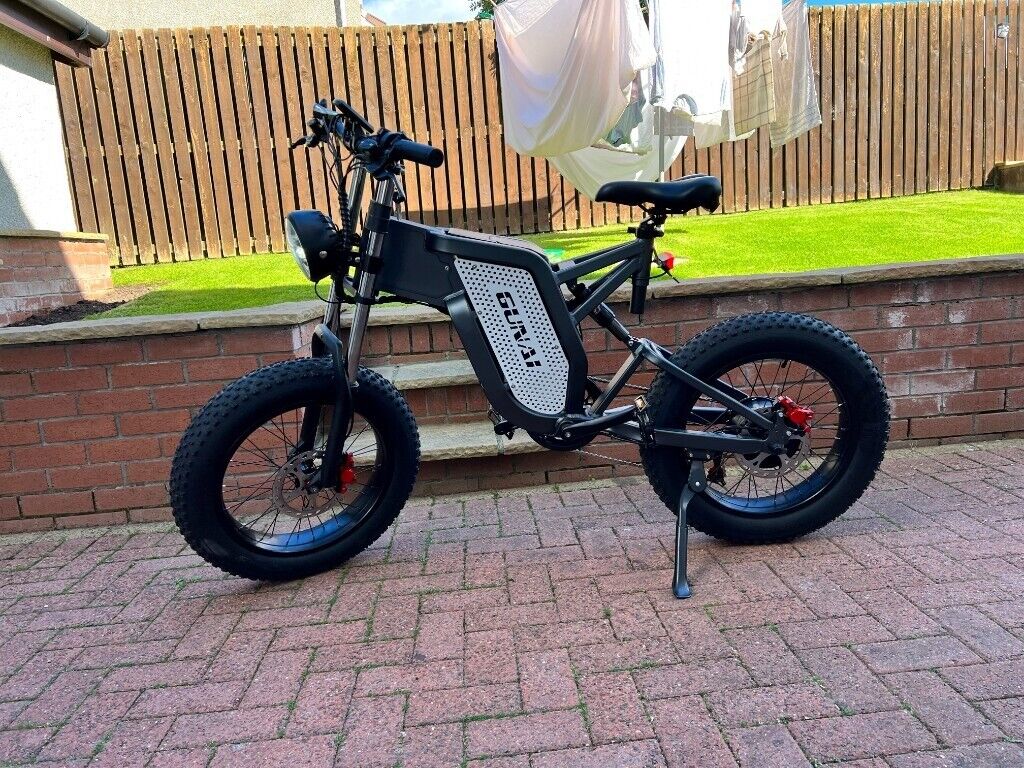
Fig 1. Technical illustration: Swapping Solid Tires to Pneumatic
Tools You Will Need
- Adjustable heat gun (with temperature control)
- Infrared thermometer (non-contact)
- Heavy-duty rim protectors (plastic, not metal)
- New pneumatic tire + compatible inner tube (or tubeless setup)
- Fresh rim tape (if switching from solid to pneumatic)
- Bike pump with pressure gauge (preferably floor pump)
- Isopropyl alcohol and lint-free cloth
Step-by-Step Thermal Tire Swap
- Deflate completely: Even solid tires may have trapped air pockets—press firmly around the bead to release any residual pressure.
- Clean the rim bed: Wipe with isopropyl alcohol to remove grease, which can cause bead slippage later.
- Apply rim protectors: Slide plastic shields between tire and rim at 3 o’clock and 9 o’clock positions to prevent scuffing.
- Heat evenly: Set heat gun to 70°C (158°F). Rotate slowly around the bead area for 60–90 seconds. Use IR thermometer to confirm uniform temp—never exceed 85°C.
- Lift bead gradually: Once pliable, use thumbs (not tools!) to peel one side of the bead over the rim flange. Work in 10cm increments.
- Inspect rim tape: Solid-tire rims often lack proper tape. Install new tape rated for pneumatic pressures to shield the tube from spoke holes or motor windings.
- Mount new tire: Lubricate bead lightly with soapy water. Seat one side fully, insert tube (valve aligned with rim hole), then tuck in the second bead.
- Initial inflation burst: Inflate rapidly to 30 PSI to “pop” the bead into the rim’s safety hump—this prevents blow-offs during riding.
Pneumatic vs. Solid: Performance Trade-Offs
| Factor | Solid Tires | Pneumatic Tires |
|---|---|---|
| Ride Comfort | Poor (no damping) | Excellent (air absorbs impacts) |
| Puncture Risk | None | Moderate (mitigated by sealant or tubeless) |
| Rim Compatibility | Universal | Requires sealed rim bed + proper tape |
| Rolling Resistance | High (constant deformation) | Low (optimized contact patch) |
This upgrade transforms your daily commute from a bone-jarring chore into a smooth glide—especially on historic European streets or poorly maintained bike lanes. If you’re ready to ditch the jarring ride of solid compounds and embrace real suspension through intelligent tire choice, explore our curated selection of high-grip pneumatic tires and thermal-safe rim kits.
Frequently Asked Questions
- Can I reuse my old rim tape when switching to pneumatics?
- No. Solid-tire rims often use minimal or no tape. Pneumatic setups require full-coverage, high-adhesion rim tape to prevent tube abrasion against motor windings or spoke holes.
- What if my scooter has a tubeless-ready rim?
- Excellent—you can skip the inner tube. Just ensure the valve stem is compatible and apply tubeless sealant. However, most consumer e-scooters aren’t truly tubeless; verify with manufacturer specs first.
- Will heating the tire damage the motor bearings?
- Unlikely if you keep the heat localized to the bead and stay under 85°C. Motor housings act as heat sinks, but always monitor with an IR thermometer. When in doubt, work in short bursts with cooling intervals.
Tried using a heat gun on my Ninebot’s solid tire last winter and melted the rim tape—anyone know if 350°F is actually safe for alloy rims or was I just impatient?
Danke, merk ich mir.
Tried swapping my solid tires last winter and melted half the fender trying to pry it off—anyone know the max temp the wheel hub can handle before warping?
Laat een reactie achter