


What’s Really Behind Europe’s E-Scooter Boom—and What It Means for Your Next Ride
From Niche Gadget to City Staple
Just five years ago, spotting an e-scooter in most European cities felt like seeing a UFO. Today? They’re woven into the urban fabric—from Berlin bike lanes to Lisbon’s cobblestone alleys. Bloomberg’s recent deep dive confirms it: shared and personal e-scooters have “conquered most of Europe,” driven by tightening emissions rules, congested transit, and riders craving flexibility without car ownership.
Why Now? It’s Not Just Convenience
The boom isn’t accidental. Cities across the EU are actively replacing short car trips with micromobility. Paris banned older diesel vehicles from its core zones; Amsterdam expanded scooter parking near transit hubs; even Rome—once skeptical—now licenses private e-scooter use. Add rising fuel costs and post-pandemic shifts toward open-air commuting, and you’ve got a perfect storm for two-wheeled electric transport.

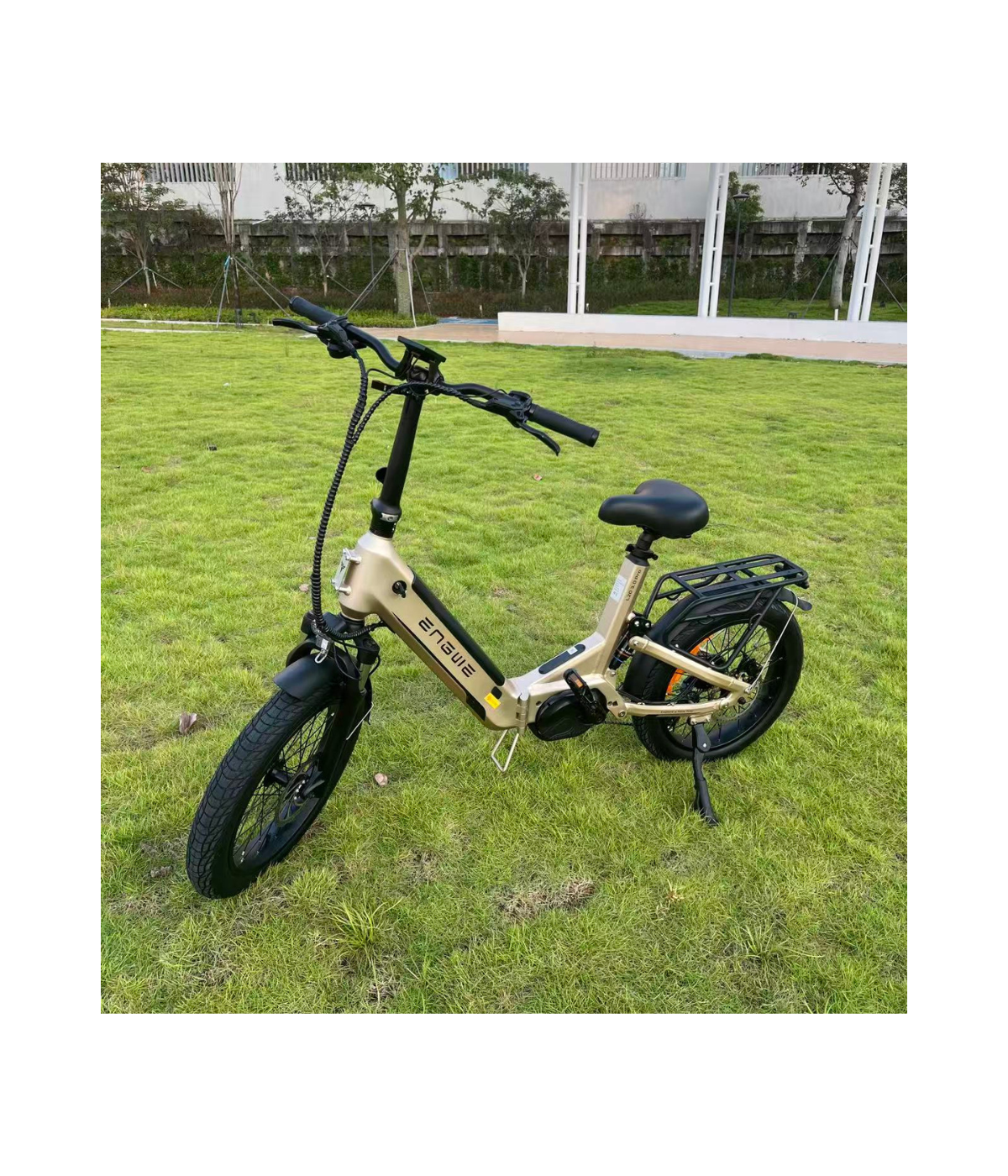
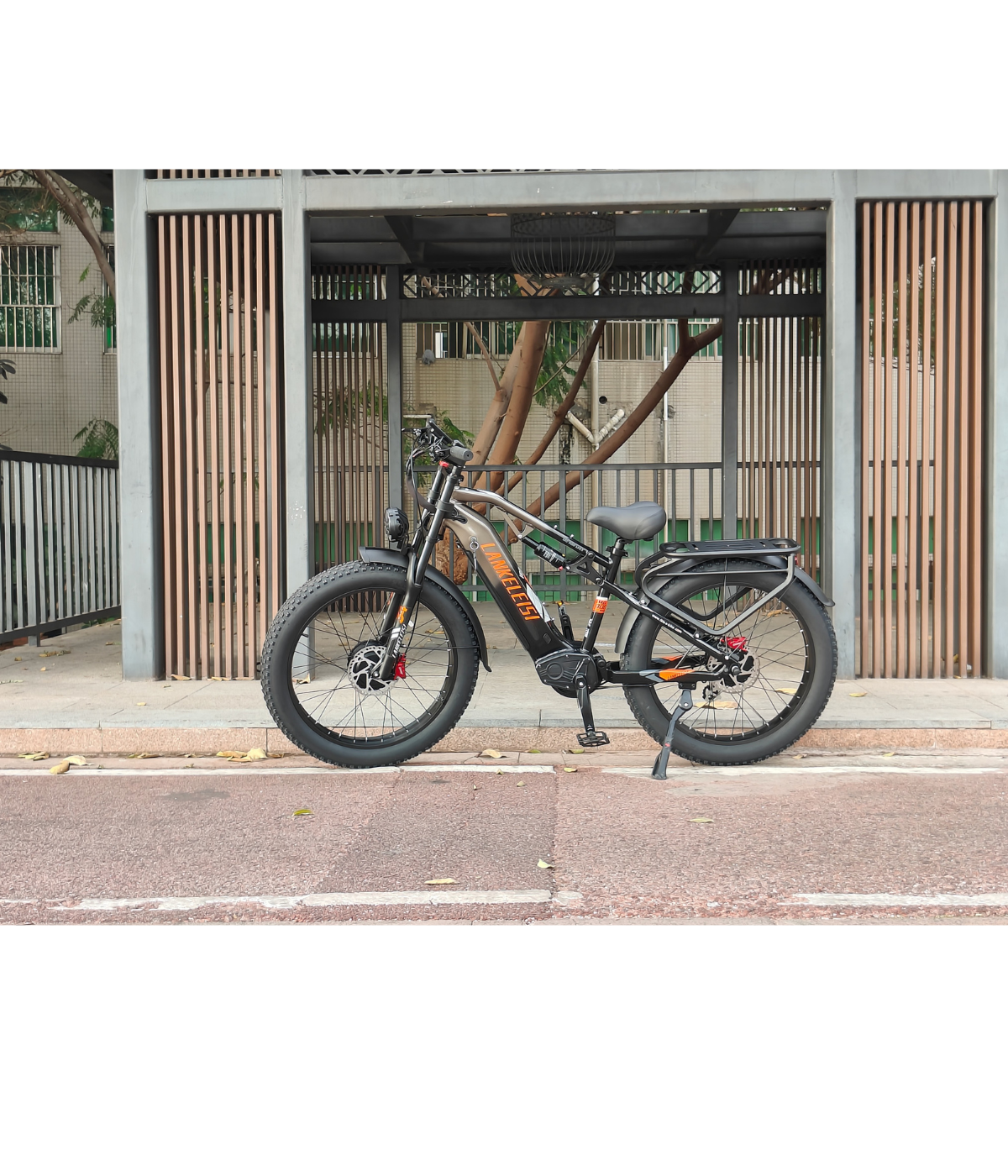
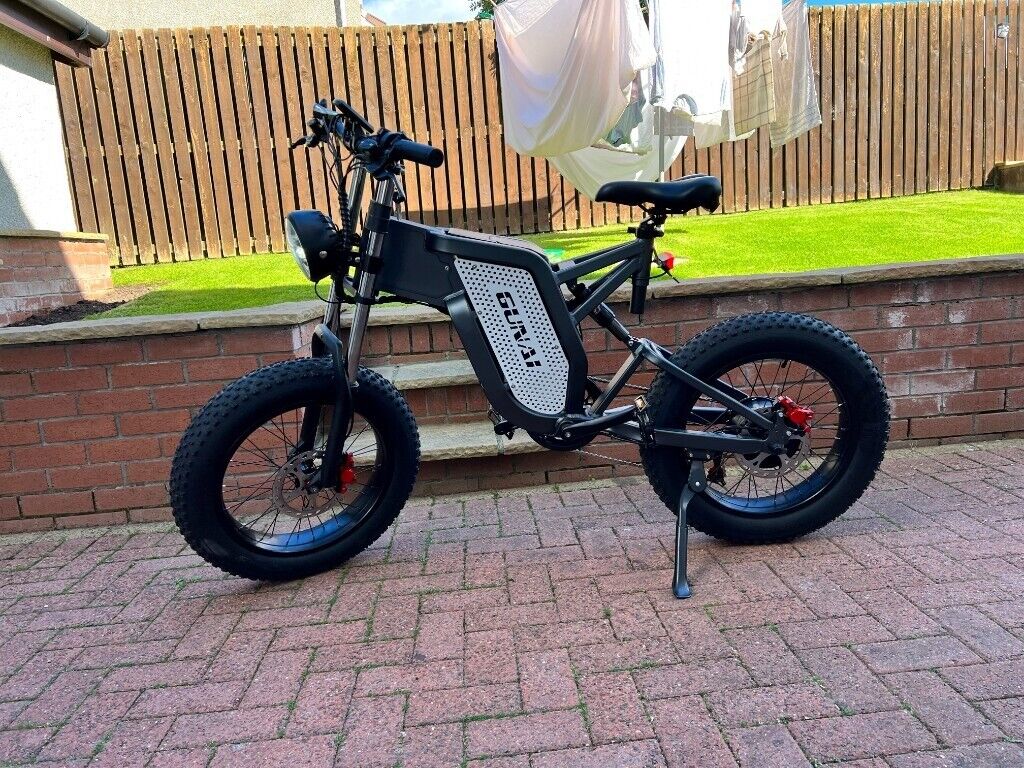
Fig 1. Technical illustration: What’s Really Behind Europe’s E-Scoot...
Your Daily Commute Just Got New Rules
But here’s the catch: as e-scooters become mainstream, so do regulations. Many cities now require:
- Maximum speeds capped at 20–25 km/h (often enforced via geofencing)
- Mandatory lights and bells on personal devices
- Riders to stay off sidewalks—stick to bike lanes or roads
- Minimum age limits (usually 14–16 years old)
Ignoring these isn’t just risky—it could mean fines or confiscation. Always check your local municipality’s latest micromobility ordinance before hitting the road.
Real-World Scenario: The “Last-Mile” Dilemma Solved
Take Sofia, a graphic designer in Barcelona. She used to squeeze onto packed metro cars, arriving sweaty and stressed. After her office shifted hybrid schedules, she tested a 7-km mixed commute: metro + walk = 45 minutes. Then she tried a mid-range e-scooter for the final 2 km. Result? Door-to-desk in 28 minutes, zero transfers, and enough battery left for the return trip. Her only regret? Not checking local parking rules first—she got fined once for locking up near a tram stop. Lesson learned: know your city’s “no-park” zones.
What Should You Do Next?
If you’re considering joining the e-scooter wave—or upgrading your current ride—here’s your action checklist:
- Verify local laws: Search “[Your City] e-scooter regulations 2024.”
- Prioritize safety features: Look for integrated lights, reliable brakes (disc > drum), and IPX4+ water resistance.
- Test range realistically: Manufacturer claims often assume flat terrain and 70kg riders. Subtract 20–30% for hills, wind, or heavier loads.
- Consider storage: Foldable models matter if you live in an apartment or take transit partway.
Not sure which model fits your commute style? We’ve curated options that balance range, comfort, and compliance—explore commuter-ready e-bikes and scooters built for real European streets.
The Road Ahead: Smarter, Safer, Shared
Industry insiders (like Pure Electric’s founders, per Gulf Business) predict the next phase won’t just be about more scooters—but better ones. Expect standardized safety tech, longer-lasting batteries, and deeper integration with public transit apps. For everyday riders, that means fewer headaches and smoother rides. But until then, staying informed is your best upgrade.
Source: How E-Scooters Conquered (Most of) Europe – Bloomberg
Laissez un commentaire