


What’s Behind the Look of Your E-Bike or E-Scooter? It’s Not Just About Style
If you’ve ever stood at a micromobility shop staring at a sleek e-scooter next to a chunky e-bike and wondered, “Why do they look so wildly different?”—you’re not alone. On the surface, both get you from A to B with electric help. But dig a little deeper, and you’ll find that every curve, fold, and component placement tells a story shaped by decades of engineering trade-offs, urban realities, and rider habits.

Fig 1. Technical illustration: What’s Behind the Look of Your E-Bike...
The Bicycle Blueprint vs. The Scooter Shortcut
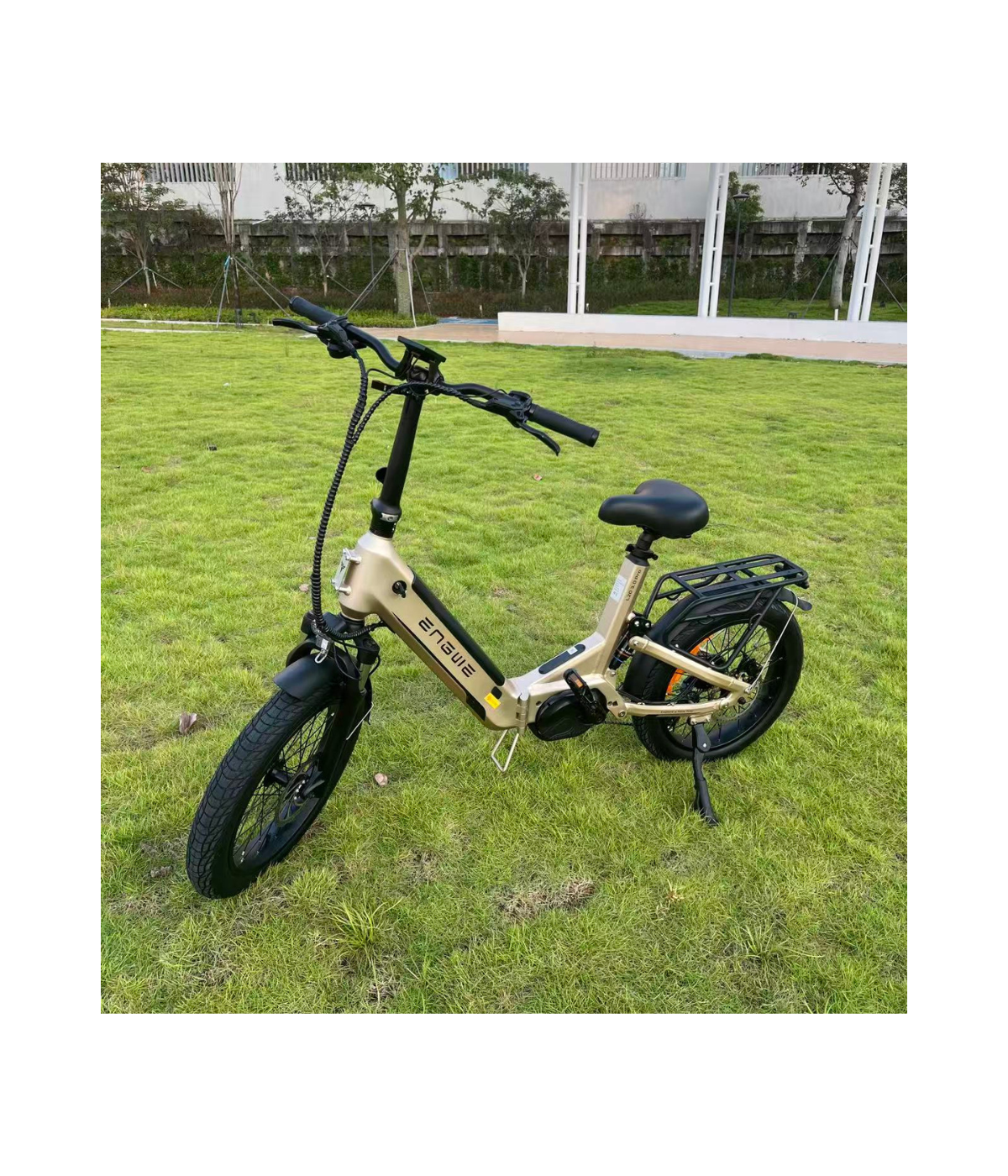
E-bikes didn’t start from scratch—they evolved from bicycles. That legacy shows in everything: two large wheels for stability, pedals that demand legroom, a diamond or step-through frame for structural integrity, and geometry tuned for seated comfort over distance. Even when designers add batteries and motors, they’re working within a 150-year-old template that prioritizes balance, efficiency, and rider posture.
E-scooters, by contrast, were born digital. Early consumer models in the 2010s weren’t adaptations—they were clean-sheet inventions built around portability and minimalism. No pedals meant no need for crank arms or chainrings. Small wheels saved space but demanded clever suspension (or tough ankles). Folding mechanisms became non-negotiable for apartment dwellers and train commuters. Every design choice leaned into compactness, even if it sacrificed some ride smoothness.
Where Form Meets Function (and Compromise)
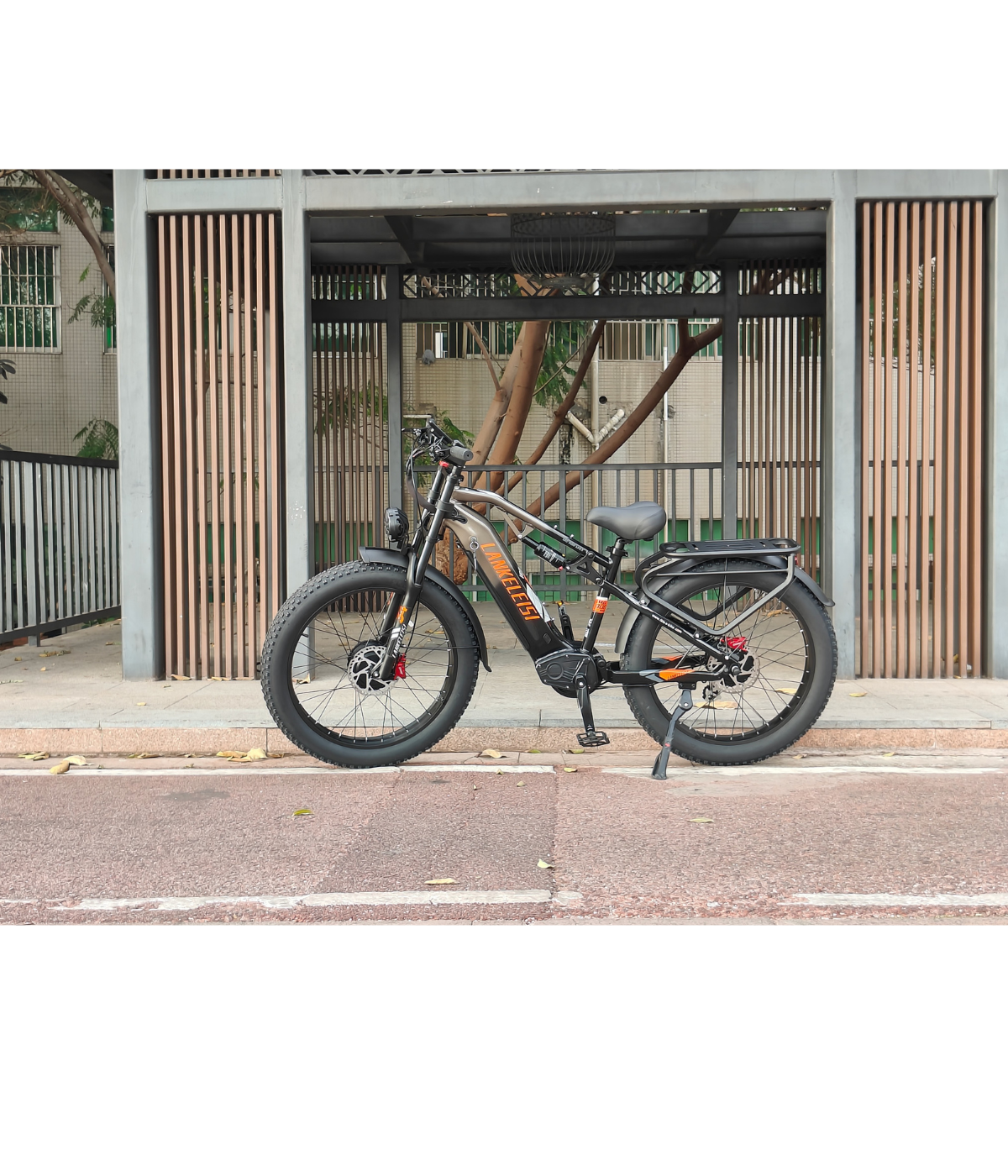
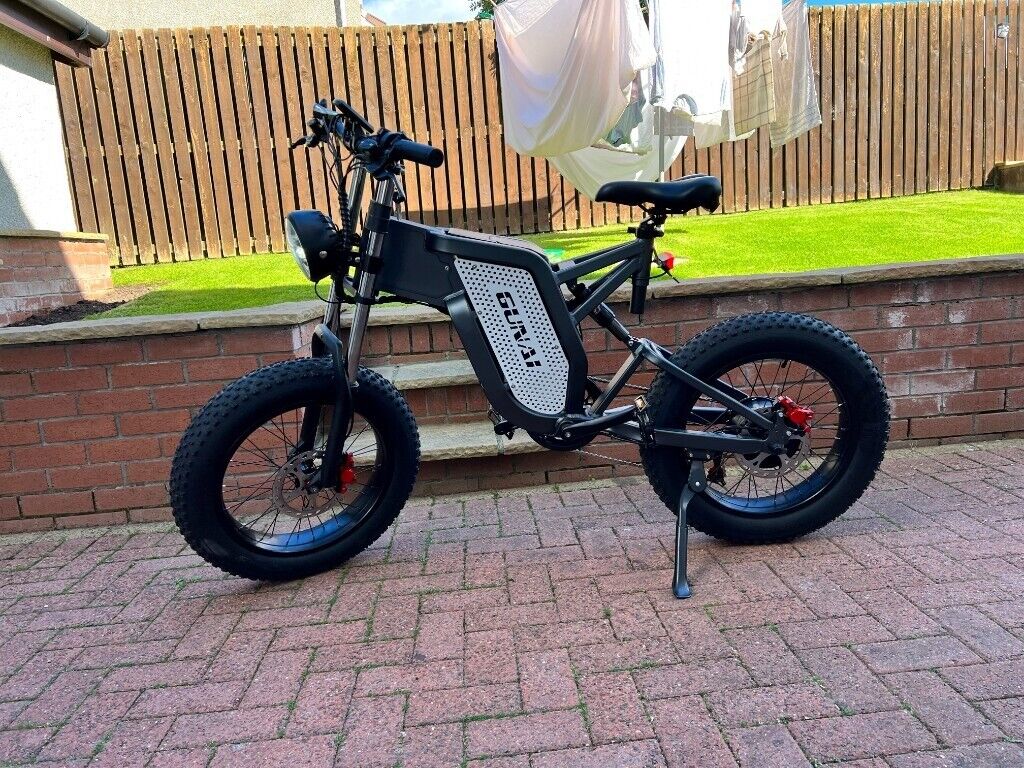
Take wheel size. Most e-bikes roll on 26” to 29” wheels because bigger diameters roll over cracks and curbs with less effort—ideal for longer commutes or mixed terrain. E-scooters often use 8” to 10” wheels to keep the deck low and the folded profile slim. That’s great until you hit cobblestones or potholes, which is why premium scooters now pack dual suspension or fat pneumatic tires.
Then there’s weight distribution. E-bikes tuck batteries into downtubes or racks to keep the center of gravity low—critical when you’re pedaling uphill. E-scooters mount batteries under the deck or in the stem, which can make them feel top-heavy… unless the motor’s in the rear wheel to counterbalance it. These aren’t random decisions; they’re physics-driven compromises between convenience, safety, and performance.
Rider Culture Shapes Design Too
In cities like Amsterdam or Copenhagen, where cycling is woven into daily life, e-bikes look like traditional bikes—just quieter and faster. They blend in. But in Tokyo or San Francisco, where space is tight and transit is vertical, e-scooters thrive because they vanish into closets or under desks. That cultural context feeds back into design: European e-bikes often include integrated lights, racks, and fenders as standard. American or Asian e-scooters prioritize one-handed folding and app connectivity.
Even color and finish speak volumes. Matte black e-scooters dominate shared fleets for durability and anonymity. Private e-bikes come in forest green, cream, or burnt orange—colors that signal personal expression, not just utility.
Three Design Clues That Reveal How a Ride Will Feel
You don’t need an engineering degree to read a vehicle’s intentions. Here’s what to notice before you buy:
- Wheel diameter + tire width: Under 10” with skinny tires? Expect a twitchy, jarring ride unless it has serious suspension. Over 20” with wide tires? Likely smoother and more stable.
- Fold mechanism location: If it folds at the stem only, it might wobble at speed. Dual-hinge systems (stem + base) usually feel sturdier but add weight.
- Battery placement: Integrated into the frame? Better weight balance. Bolted underneath? Might affect ground clearance or feel unbalanced when lifted.
So… Which Design Philosophy Fits You?
If your commute involves hills, rain, groceries, or distances over 5 miles, an e-bike’s bicycle DNA probably serves you better. But if you’re hopping on subways, live in a walk-up, or value “grab-and-go” simplicity above all, the e-scooter’s minimalist roots might be your match.
Neither is universally “better”—they solve different problems. The key is matching the machine’s inherited instincts to your real-life routine.
Not sure which camp you fall into? Explore our full range of commuter-ready e-bikes and scooters—each built with these design truths in mind.
Letztes Jahr hab ich die falsche Gabel verbaut, weil das Design so clean aussah – jetzt quietscht mein E-Bike bei jedem Schlagloch wie ein kaputtes Tor. Hätte echt auf die Technik statt aufs Aussehen achten sollen…
Letztes Jahr hab ich die falsche Gabel verbaut, weil das Design so clean aussah – jetzt quietscht’s bei jedem Schlagloch wie ein kaputtes Tor. Typisch für mich, Form über Funktion zu wählen… 🚀
Glad it helped—just don’t forget to check local laws too, some cities are strict about where you can ride these things.
Danke, merk ich mir.
Laissez un commentaire