


What Makes an E-Bike or E-Scooter Feel “Just Right”? The Hidden Details That Shape Your Daily Ride
Ever hopped on a friend’s e-scooter and instantly felt off-balance? Or test-rode an e-bike that just… clicked, even though it wasn’t the fastest or flashiest? That “just right” feeling isn’t magic—it’s the result of thoughtful design decisions most riders never notice… until they’re missing.
We’ve covered motors, batteries, and regulations in depth. But today, let’s zoom in on the quiet details that shape how your ride feels—not just how it performs on paper.
The Geometry of Comfort: Why Handlebars and Deck Height Matter More Than You Think
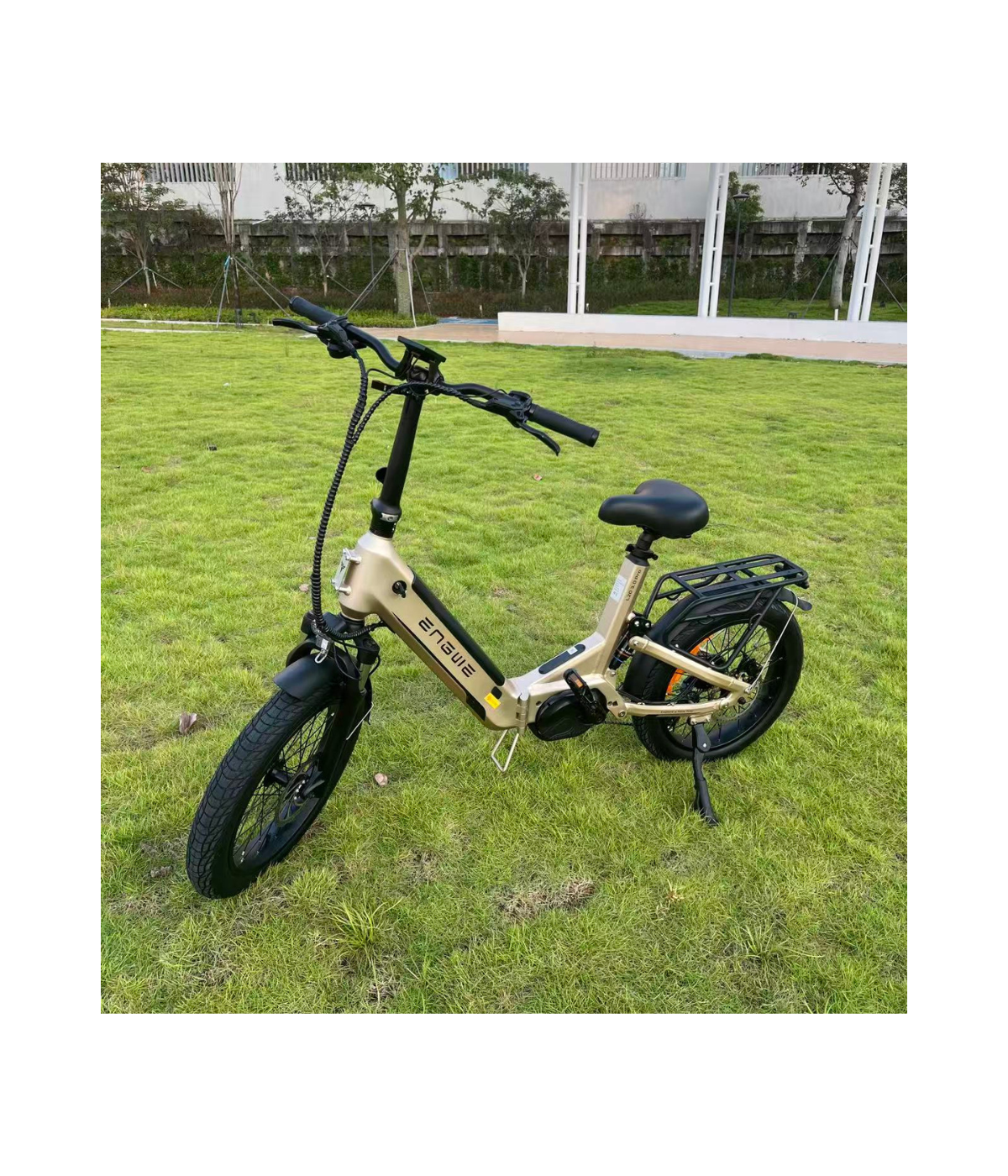
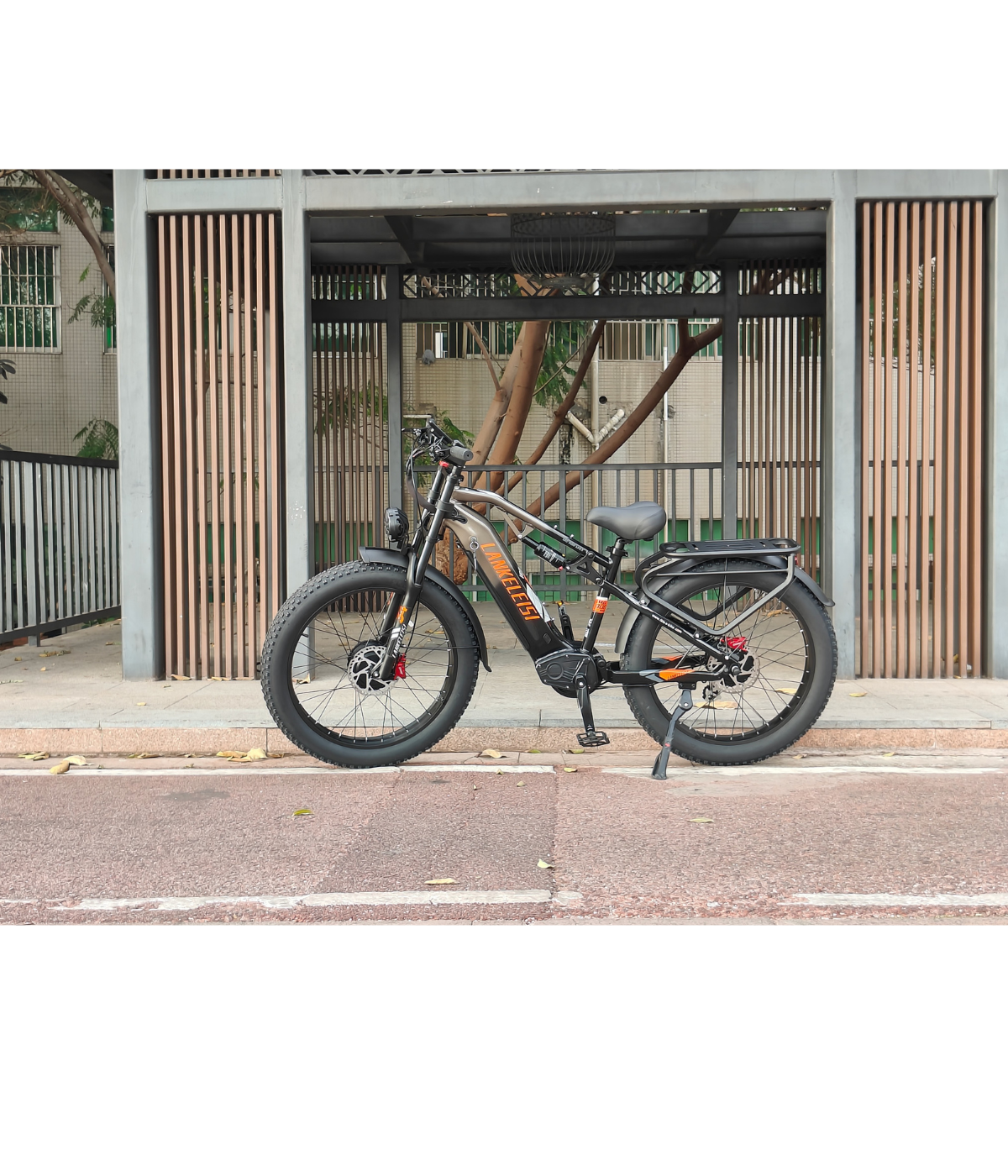
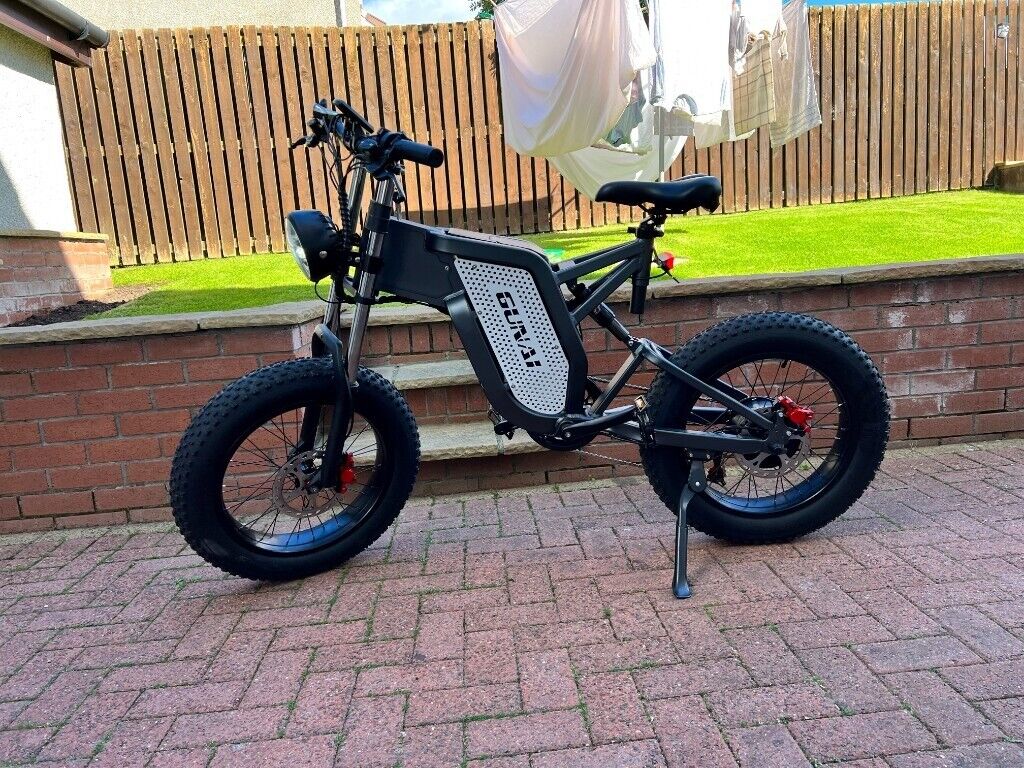
Your posture while riding is dictated by geometry you probably didn’t consider when buying: stem angle, handlebar width, deck-to-ground clearance, and foot placement. On e-scooters, a low deck feels stable but can scrape curbs; a high one clears obstacles but raises your center of gravity. On e-bikes, swept-back handlebars invite a relaxed upright position—ideal for city cruising—while flat bars offer more control for quick maneuvers.
Riders often blame “cheap build quality” when they feel wobbly or cramped, but sometimes it’s simply a mismatch between their body and the machine’s proportions.

Fig 1. Technical illustration: What Makes an E-Bike or E-Scooter Fee...
Throttle vs Pedal Assist: It’s Not Just About Power—It’s About Rhythm
E-scooters almost always use thumb or twist throttles—on-demand power at your command. E-bikes lean heavily on pedal assist (especially in Europe), where the motor kicks in as you pedal. But the real difference lies in rhythm.
Throttles give instant gratification—you twist and go. But they demand constant attention to modulation. Pedal assist, especially with torque sensors, creates a more natural, bike-like flow: the harder you push, the more help you get. New riders often prefer throttles for simplicity; seasoned commuters tend to favor pedal assist for its seamless integration into their motion.
The Silent Role of Weight Distribution
Where the battery and motor sit changes everything. Front-heavy e-scooters dive under braking. Rear-heavy ones feel twitchy turning. Mid-drive e-bikes (motor near the pedals) distribute weight evenly, making them agile and stable—especially on hills.
Even small shifts matter: a battery mounted low in the frame lowers the center of gravity, improving cornering. A top-tube battery might make lifting easier but can make the bike feel top-heavy when parked or maneuvered off-road.
Mistakes Riders Make When Choosing “Feel” Over Specs
It’s easy to get dazzled by top speed or range. But here’s what actually ruins daily rides:
- Prioritizing foldability over stance width. Ultra-compact scooters often force your feet into a narrow line—exhausting on longer commutes.
- Ignoring seat height on step-through e-bikes. If you can’t plant both feet flat at stops, you’ll feel unstable in traffic.
- Assuming all “comfort” tires are equal. Wider pneumatic tires absorb bumps, but if the suspension (or lack thereof) isn’t tuned to match, you’ll still feel every crack.
- Overlooking controller smoothness. A jerky throttle response isn’t just annoying—it’s fatiguing. Test before you buy, or read rider reviews that mention “smooth takeoff.”
How to Find Your “Just Right” Ride
Don’t just compare wattage or battery capacity. Ask yourself:
- Where will I ride most? Tight alleys? Wide bike lanes? Mixed terrain? Match geometry to environment.
- How long is my average trip? Under 2 miles? A twitchy scooter might suffice. Over 5? Prioritize ergonomics and comfort.
- Do I value ease of storage or ride quality more? Sometimes you can’t have both—be honest about your trade-off.
- Can I demo it? If not, watch real-world review videos that show mounting, stopping, and turning—not just straight-line speed tests.
At Ridenue, we believe your daily ride should disappear beneath you—so you notice the sunrise, not the jolt from a pothole. If you’re exploring options that balance performance with human-centered design, explore our commuter-ready e-bikes and scooters—each chosen for how it feels, not just how it specs.
Noted.
Letztes Jahr hab ich den falschen Reifendruck genommen und dachte, mein Scooter sei kaputt – war nur zu platt für die Bordsteinkanten. Typisch Anfängerfehler, aber echt nervig! 👀
Tried swapping my scooter’s stock controller for a “smoother” one last week—now it jerks like it’s got road rage. Anyone else fry their throttle wiring chasing that perfect feel?
J’ai encore planté mon contrôleur en bricolant le câblage du phare… maintenant la molette de l’accélérateur répond à l’envers. Qui a déjà eu ce bug avec un Bafang BBS02 ?
Ugh, that chicken dance is the worst—I bricked mine doing the same thing last month. Try holding the power + brake buttons for 10 sec before it fully boots; worked for me without a full reset. 🤔
Laissez un commentaire