


Should You Ride an E-Bike or E-Scooter for Your Daily Commute? A Real Talk Decision Guide
The Morning That Changed My Mind
Last November, I showed up to a client meeting drenched, shivering, and ten minutes late—again. My e-scooter had folded mid-ride on a slick cobblestone patch, and I’d spent the next half-mile pushing it like a confused tourist. Meanwhile, my colleague rolled in calm, dry, and smiling on her compact e-bike, panniers full of dry clothes and coffee. That day, I stopped treating micromobility as interchangeable. E-bikes and e-scooters aren’t just different machines—they shape entirely different commuting lives.

Fig 1. Technical illustration: Should You Ride an E-Bike or E-Scoote...
Origins Tell a Story—But Not the Whole One
E-scooters trace back to early 20th-century kick scooters, electrified only recently for short-hop urban trips. E-bikes evolved from pedal-assist bicycles dating to the 1890s, refined over decades to feel like “bikes that help.” But today’s decision isn’t about history—it’s about how each handles your reality: hills, rain, stairs, train platforms, and that 20-minute window between daycare pickup and dinner.
Where Design Meets Daily Life
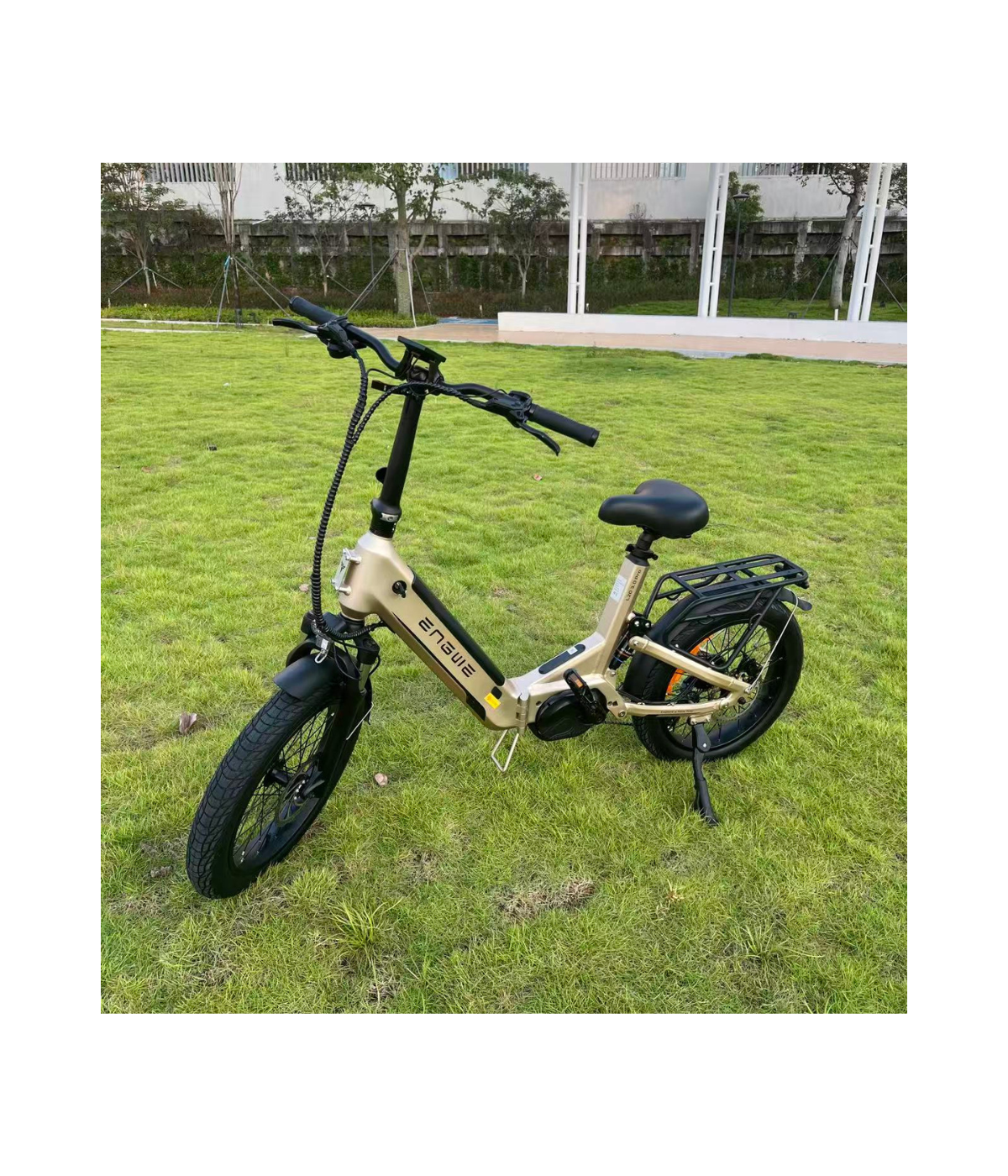
E-scooters win on portability. Foldable, light(ish), and easy to stash under a desk or hang on a bike rack. But they demand balance, expose you to weather, and struggle on rough pavement. E-bikes offer stability, cargo capacity, and a riding position that feels familiar—even if you haven’t pedaled since high school. They’re heavier and harder to store, but they laugh at potholes and let you carry groceries, laptops, or even a kid seat.
And let’s be honest: when it’s pouring or snowing, nobody wants to stand upright on a narrow deck gripping handlebars with numb fingers. E-bikes—with fenders, integrated lights, and often throttle options—turn bad weather from a dealbreaker into a minor inconvenience.
Your Commute, Your Call: A Quick Decision Checklist
Ask yourself these five questions before choosing:
- Is your route under 3 miles? → Scooter may suffice.
- Do you climb hills or ride on uneven surfaces? → E-bike handles torque and traction better.
- Will you carry gear (laptop, lunch, gym bag)? → E-bikes support racks, baskets, and panniers.
- Do you take transit partway? → Scooters fold smaller; some e-bikes are too bulky for rush-hour trains.
- How’s your local weather? → Rain, wind, or cold favors the seated, sheltered posture of an e-bike.
If you answered “yes” to three or more of the e-bike-friendly questions, it’s probably your best bet—even if scooters seem flashier.
Rider Culture Isn’t Just Vibe—It’s Practicality
Scooter riders often embrace speed and minimalism: zip in, lock up, vanish into the office. E-bike commuters lean into utility and resilience—they’re the ones with mudguards, bells, and a spare tube strapped to the frame. Neither is “better,” but your personality and routine will align more naturally with one. If you hate fuss, a scooter’s simplicity sings. If you value comfort over cool, the e-bike’s steady hum wins.
Ready to Match Your Machine to Your Life?
Whether you need a nimble scooter that tucks into tight spaces or a rugged e-bike that laughs at crosswinds and curbs, the right choice starts with honesty about your actual commute—not the Instagram version. Explore our full lineup of commuter-ready e-bikes and scooters to find the one that fits your rhythm: explore commuter-ready e-bikes and scooters.
J’ai cramé la batterie de mon e-scooter en roulant sous la pluie la semaine dernière… maintenant il démarre plus. Quelqu’un sait si c’est juste le BMS ou si j’ai tout grillé ?
Laissez un commentaire