


How to Know If a Fat-Tire E-Bike Like the DUOTTS S26 Fits Your Real-Life Commute
Let’s be honest: not every e-bike suits every rider. You’ve probably scrolled past glossy ads showing someone gliding effortlessly down a sun-dappled bike path—but what about potholes, grocery bags, or that 12-mile round-trip to work with two hills in between? That’s where fat-tire models like the DUOTTS S26 Electric Bike enter the conversation. But before you assume “fat tires = off-road beast,” let’s talk about how it actually behaves in everyday life.
When Comfort Isn’t Just a Buzzword—It’s Your Back Saying Thank You
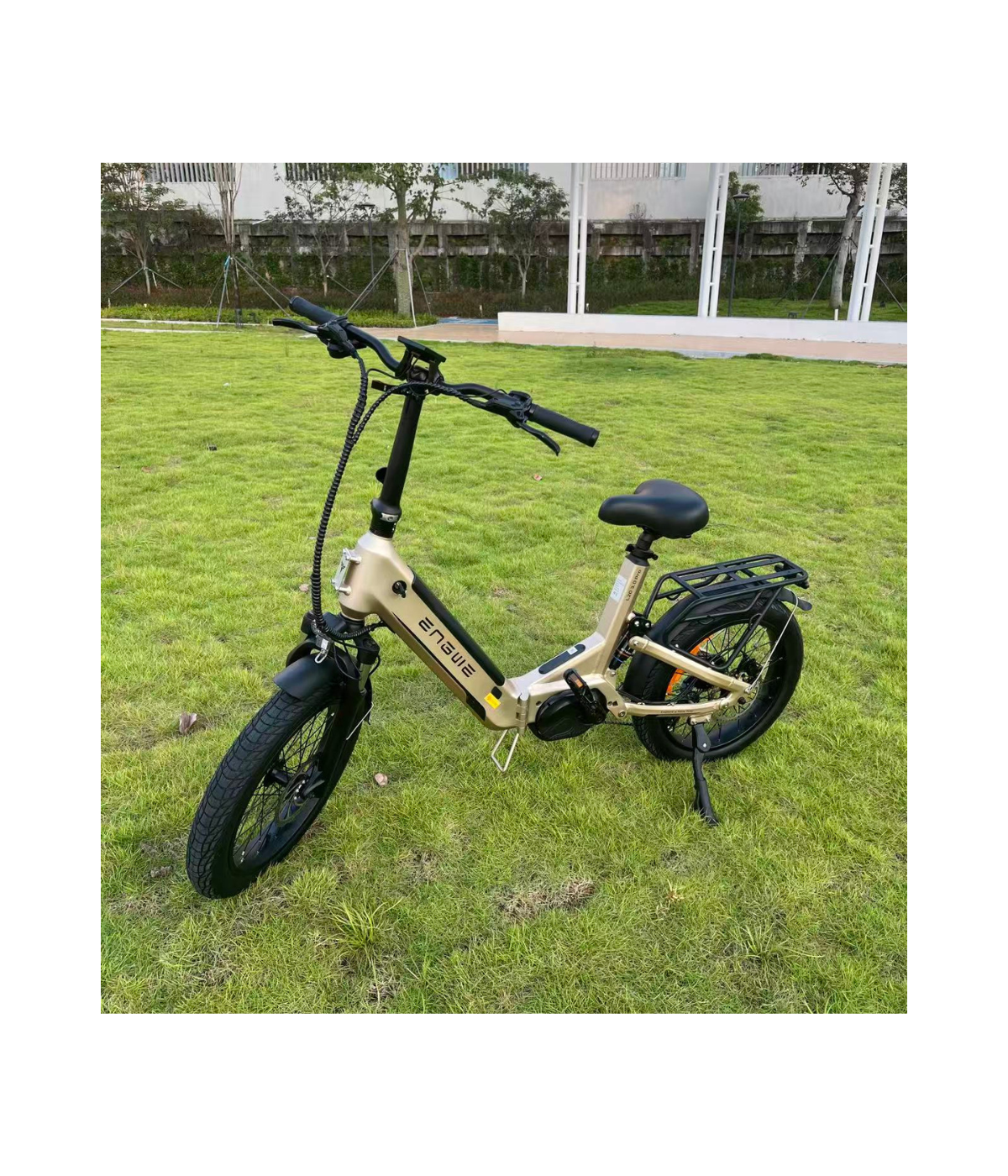
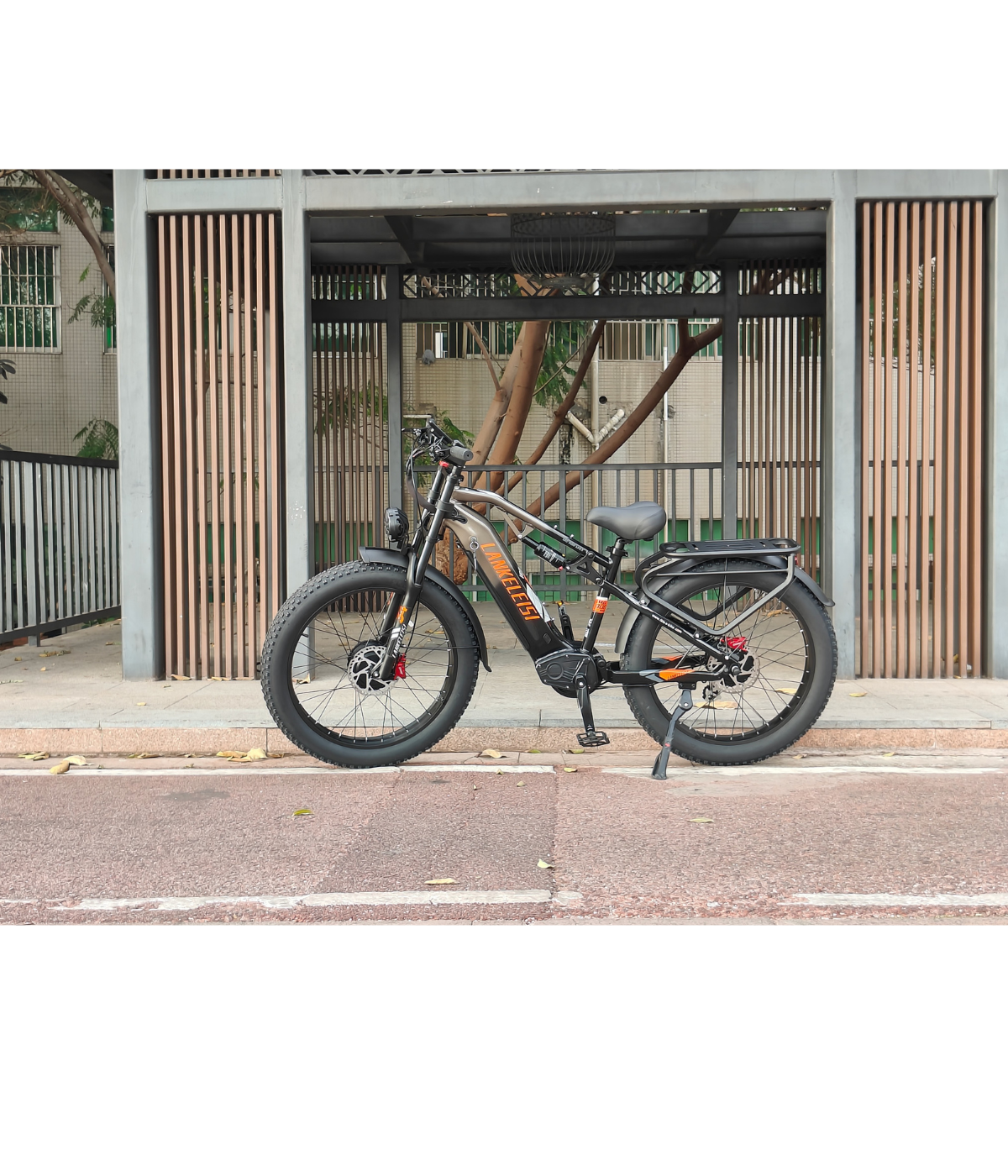
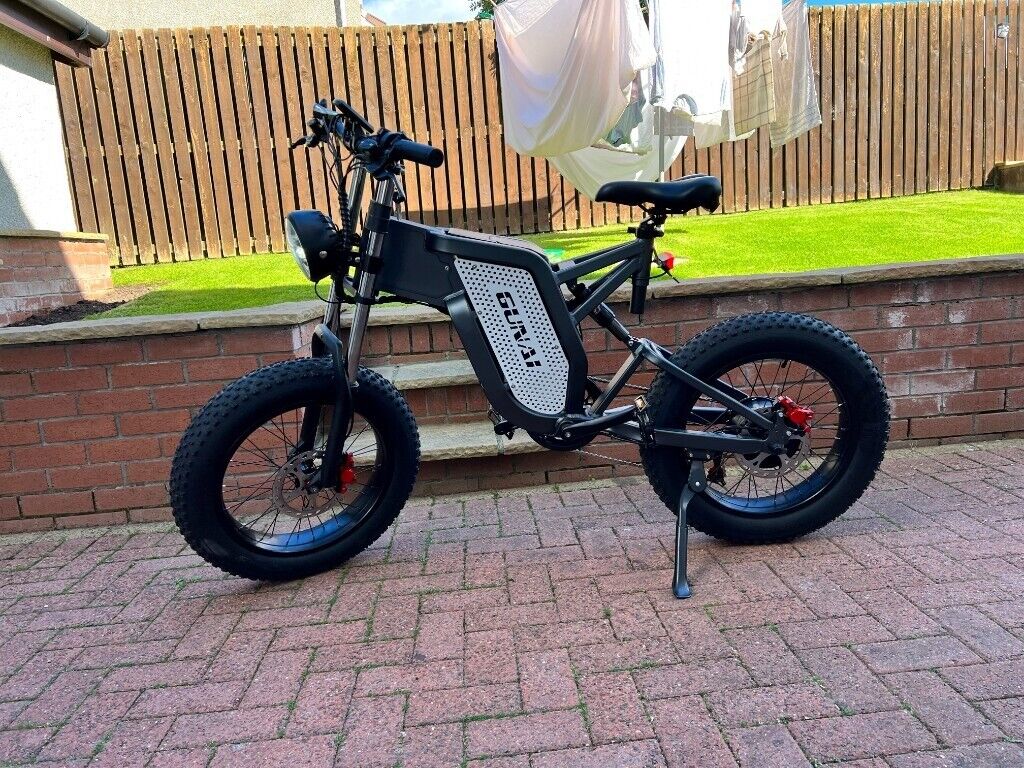
The DUOTTS S26 rolls on 4-inch-wide tires. On paper, that sounds excessive for city streets. In practice? Those chunky treads absorb sidewalk cracks, cobblestones, and uneven pavement like a forgiving cushion. If your current ride jolts your spine every time you hit a sewer grate—or if you’re biking with chronic joint sensitivity—this isn’t just a nice-to-have; it’s a game-changer. The trade-off? Slightly more rolling resistance on smooth asphalt, so you’ll pedal a bit harder when the motor’s off. But for mixed-surface commutes (think: bike lane → gravel shortcut → cracked driveway), the comfort payoff outweighs the minor drag.

Fig 1. Technical illustration: How to Know If a Fat-Tire E-Bike Like...
Range Confidence Without the Math Anxiety
Spec sheets say “up to 55 miles,” but real-world range depends on your weight, terrain, assist level, and even temperature. With the S26’s 48V 14Ah battery (roughly 672Wh), most riders report 30–40 miles in mixed pedal-assist mode during mild weather. That’s enough for a 10-mile round-trip commute five days a week—with juice left over for weekend errands. The key detail? It charges fully in about 6 hours via a standard wall outlet, so overnight top-ups are painless. No need to babysit a charging station at work or carry a spare pack.
Portability vs. Practicality: Where This Bike Draws the Line
Here’s the truth: the S26 weighs around 65 lbs. It’s not something you’ll casually lift onto a bus rack or carry up three flights of stairs. But it does fold—sort of. The frame hinges near the stem, letting you collapse it for tighter storage in a garage, shed, or car trunk. If your “portability” means tossing it in the back of a hatchback for weekend trails, great. If it means hauling it onto public transit daily, look elsewhere. This bike thrives when you have ground-level access or a dedicated parking spot.
Safety Feel: More Than Just Brakes and Lights
Beyond the mechanical disc brakes (which offer reliable stopping power even in light rain), the S26’s low-step frame and wide stance give it a planted, stable feel at speed. New riders often mention how “sure-footed” it feels compared to skinnier e-bikes that wobble on loose surfaces. Integrated front and rear lights help visibility, though we always recommend adding reflective gear or a secondary headlight for dawn/dusk rides. Bottom line: it doesn’t replace defensive riding habits, but it reduces nervousness on unpredictable roads.
Who Should Seriously Consider the DUOTTS S26 (And Who Might Want to Look Elsewhere)
This bike shines for:
- Suburban or rural commuters facing mixed terrain (pavement + gravel + dirt)
- Riders prioritizing ride comfort over ultra-lightweight design
- People with short-to-mid distance commutes (under 15 miles one-way)
- Those who store their bike at ground level or in a vehicle
Consider alternatives if:
- You live in a walk-up apartment and must carry your bike upstairs
- Your entire route is smooth city pavement—you’d get better efficiency from a slim-tire commuter e-bike
- You need to regularly transport your bike on trains or buses
- You prioritize speed over stability (the S26 tops out around 20 mph, class 2 compliant)
Quick Reality Check: 3 Mistakes First-Time Fat-Tire Buyers Make
- Assuming fat tires = automatic off-road mastery. While they handle light trails well, the S26 isn’t a full-suspension mountain e-bike. Stick to fire roads and packed dirt—not rocky descents.
- Ignoring tire pressure. Overinflate (above 25 PSI) and you lose the plush ride; underinflate (<15 PSI) and you risk pinch flats or sluggish handling. Start at 20 PSI and adjust based on your weight and surface.
- Skipping a test ride. Even if buying online, check return policies. The S26’s upright geometry feels different than sporty e-bikes—make sure it matches your posture preference.
If your daily ride involves anything less than perfect pavement—and you value arriving relaxed, not rattled—the DUOTTS S26 might be the unsung hero your routine needs. For full specs, real owner photos, and local availability, see real-world details for DUOTTS S26 Electric Bike.
Laissez un commentaire