


How Europe’s New E-Scooter Rules Are Changing Where—and How—you Ride

Fig 1. Technical illustration: How Europe’s New E-Scooter Rules Are ...
What just changed—and where
Athens is the latest European city cracking down on sidewalk chaos. New rules require shared e-scooters to park only in clearly marked zones, ban riding in pedestrian-heavy areas like Plaka, and enforce stricter speed limits (now capped at 20 km/h citywide). Fines for violations start at €150—and apply to both rental users and private owners. Similar measures are already active in Paris, Berlin, and Barcelona, signaling a continent-wide shift from “park anywhere” to “park responsibly.”
Why this matters even if you own your scooter
These aren’t just rules for Lime or Tier riders. Many cities now treat privately owned e-scooters under the same legal umbrella as shared fleets—especially when it comes to where you can ride, park, and how fast you can go. If your scooter exceeds local power or speed limits (common with non-EU models), you could face confiscation or fines. The era of treating your personal e-scooter like a toy is over; regulators see it as traffic.
3 things to check before your next ride
- Local speed class: Is your scooter classified as L1e (max 25 km/h, pedal-assist allowed) or a higher class? Many EU cities restrict anything above L1e from bike lanes.
- Parking etiquette: Even if not enforced yet, avoid blocking ramps, doorways, or narrow sidewalks. Cities are using AI cameras to ticket repeat offenders.
- Lighting compliance: Front white + rear red lights are now mandatory in most EU capitals after sunset—not just for safety, but legality.
What’s coming next for riders
Expect more “geo-fenced” zones that automatically slow scooters near schools or historic districts. Also, insurance requirements are expanding: France already mandates third-party liability coverage for all motorized micro-mobility devices. While private riders aren’t targeted yet, it’s likely just a matter of time.
Your move: ride smarter, not harder
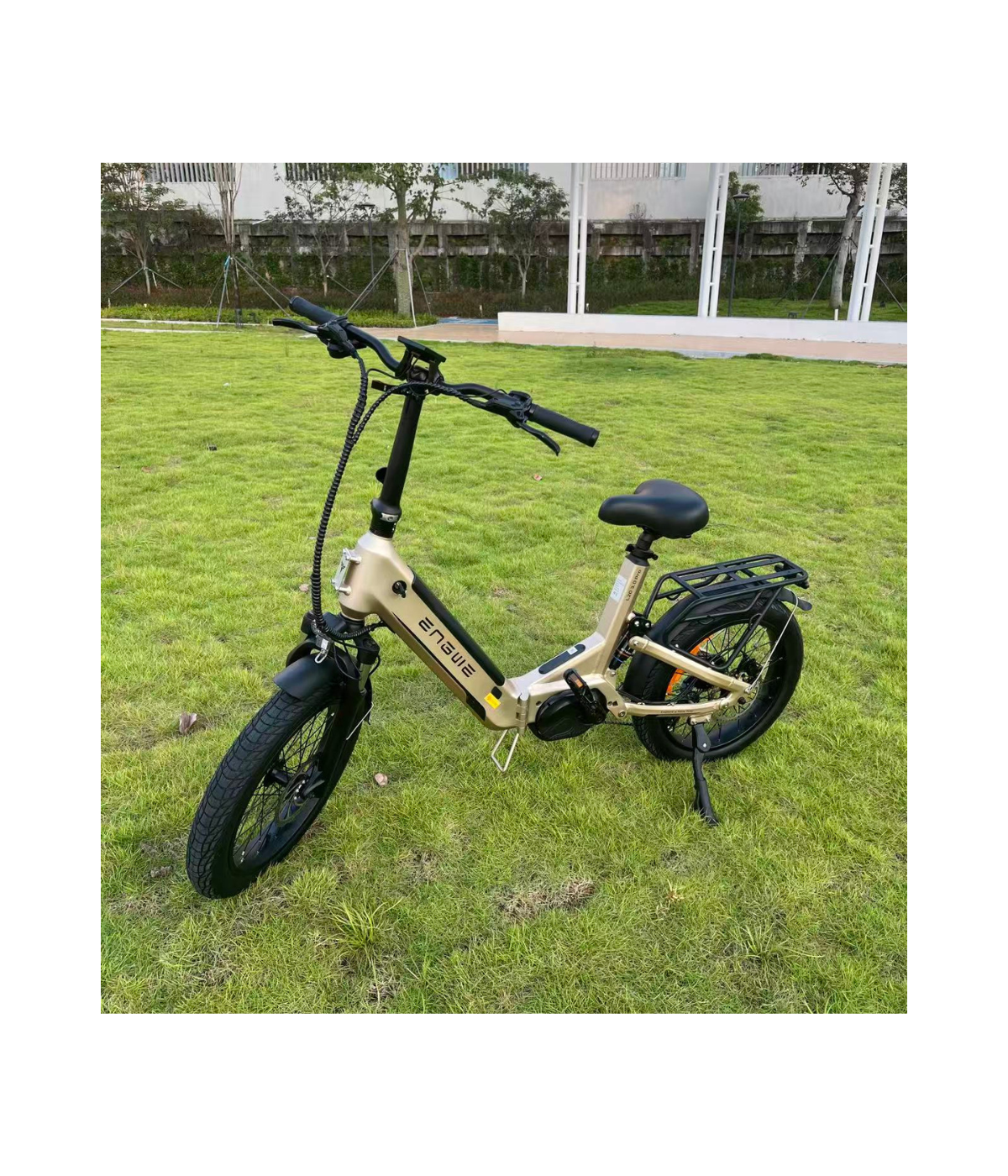
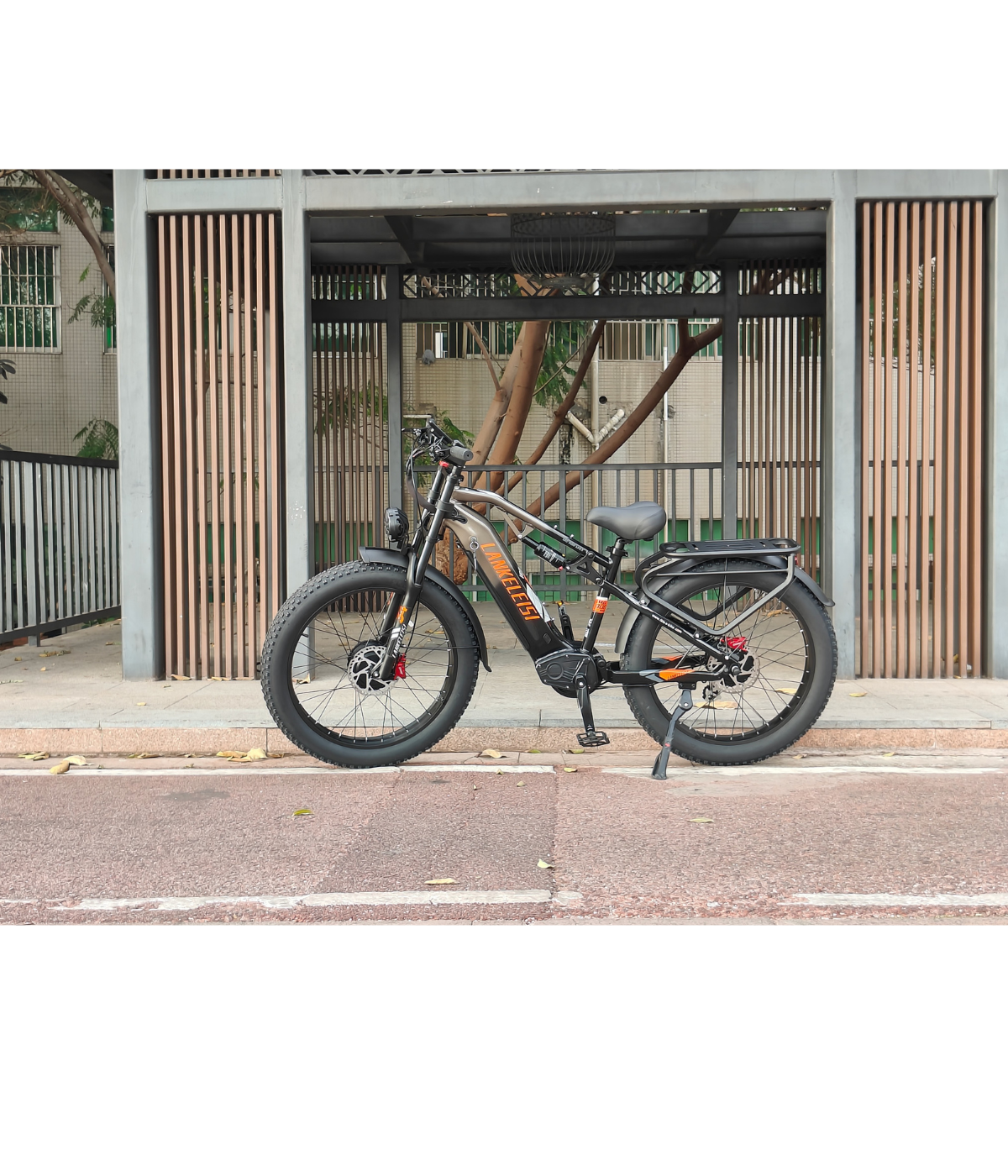
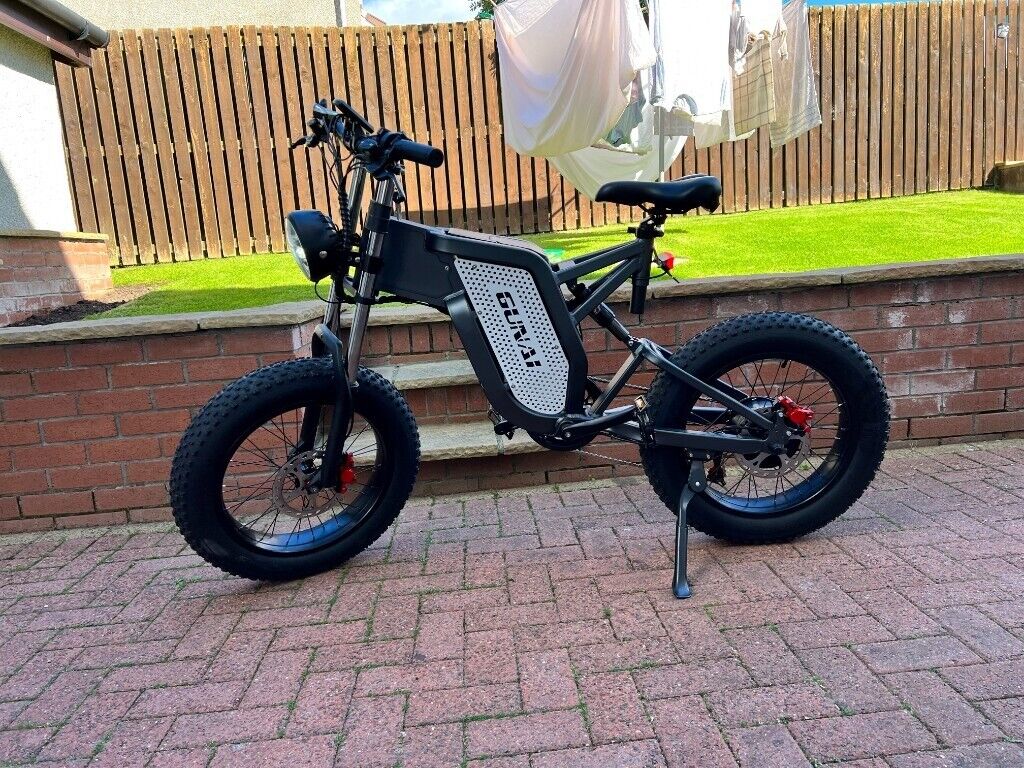
If you’re shopping for a new commuter scooter, prioritize models built for EU standards—look for CE marking, proper lighting mounts, and throttle designs that respect 25 km/h cutoffs. Avoid grey-market imports that may look powerful but won’t pass local scrutiny. Ready to upgrade? explore commuter-ready e-bikes and scooters designed for real-world city rules.
Laissez un commentaire