





Single vs Dual Motor Anatomy: Stop Burning Money on Power You Don't Use
"Brands desperately want to sell you dual 1000W motors because the profit margins are significantly higher. Unless you weigh over 220 lbs or live in a city built on a literal mountain, you are hauling dead weight and burning your battery capacity for absolutely no reason." - Fierce Review Editor
The electric scooter market is currently trapped in a toxic marketing arms race obsessed with top speed and raw motor wattage. You are constantly bombarded with ads telling you that a dual-motor setup is mandatory if you want to be a "serious" rider. That is absolute, unfiltered nonsense designed to upsell you. Let's look at the actual physics, unsprung weight, and daily utility of your commute.
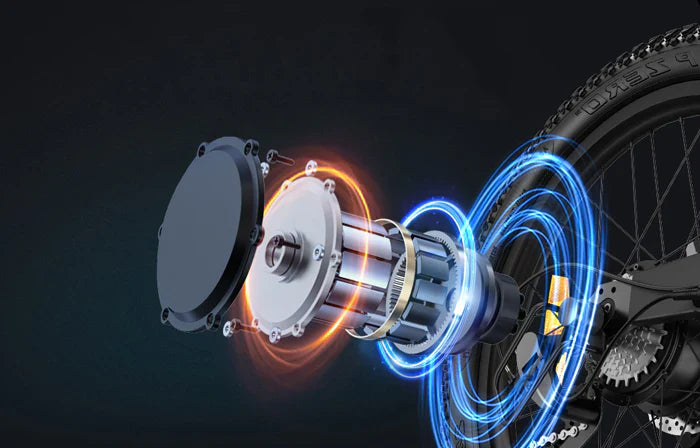
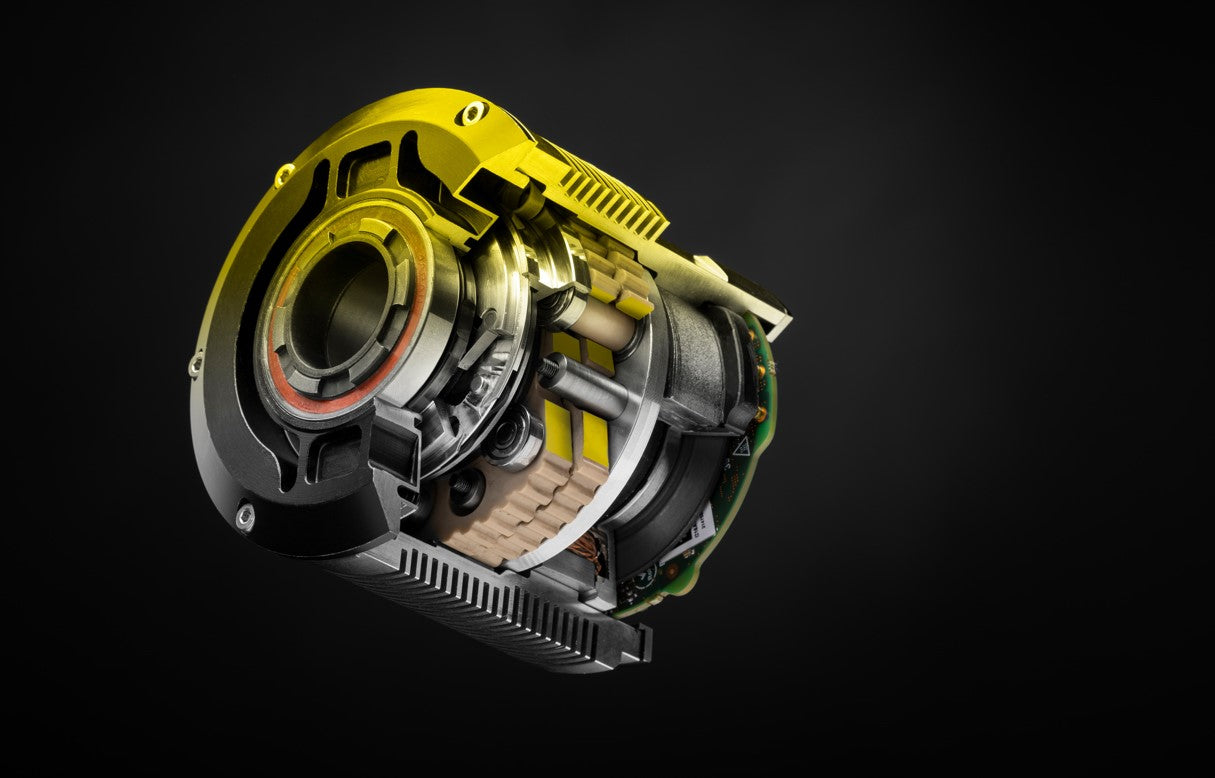
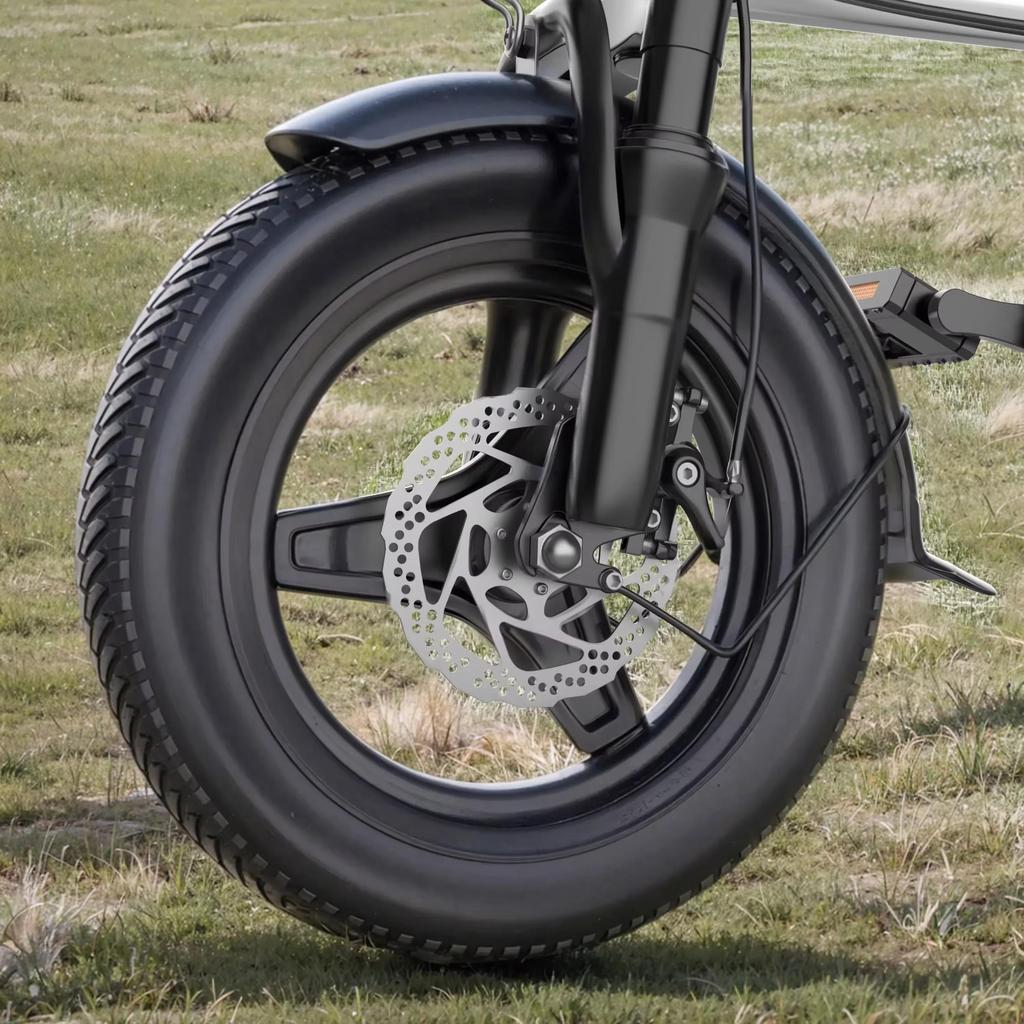
A high-quality single rear motor running at 500W to 800W nominal power (with a peak output over 1200W) is more than capable of handling 85% of standard urban commutes. Dual motors do not just add power; they fundamentally alter the dynamics of the vehicle. They add massive unsprung weight to the front wheel, making the steering feel heavy and sluggish. They double the points of potential mechanical failure, require dual heavy-duty motor controllers, and demand a massive, heavy battery pack just to prevent severe voltage sag when both motors engage.
If your daily route consists of mostly flat bike lanes and minor inclines, buying a dual-motor scooter is the equivalent of buying a heavy-duty diesel tractor to drive to the local grocery store. It is inefficient, heavy, and a nightmare to carry up a flight of stairs.
| Performance Metric | Premium Single Motor (e.g., 600W Rear) | Heavy Dual Motor (e.g., 2x 1000W) |
|---|---|---|
| Hill Climbing (Torque) | Competent up to 15-degree inclines. Will slow down on very steep hills, but rarely stalls completely. | Eats 30-degree hills for breakfast without losing top speed. Essential for incredibly hilly cities. |
| Weight & Portability | Manageable (35-45 lbs / 16-20 kg). Can reasonably be carried onto a train or up a flight of stairs. | Excessively Heavy (70-100+ lbs / 32-45+ kg). Often requires two people to lift into a car trunk. |
| Maintenance Complexity | Low. One controller to diagnose, one driven tire to change (front tire is free-spinning). | High. Two controllers, complex parallel wiring harnesses, and both tire changes require motor cable detachment. |
| Battery Efficiency & Range | Excellent. Lower amp draw means significantly longer range per volt from the exact same battery size. | Poor. Massive power draw from two hubs depletes the battery rapidly, necessitating a much larger, heavier pack. |
Buy the machine that matches your physical reality, not the marketing hype or your ego. If you need ultimate portability, efficiency, and a nimble ride feel, stick to a high-quality single-motor build with a reliable LG or Samsung battery pack.
Last summer I blew like $300 on a dual-motor beast thinking I needed that torque for hills, but half the time it just smoked the rear tire on wet pavement and drained the battery before I even hit my buddy’s place. Total overkill for my flat-ass suburb—should’ve stuck with single motor and saved cash for actual upgrades.
Alter, bei dem Satz spür ich schon den Rauch vom Controller in der Nase – kenne das Schmerzspiel nur zu gut. Dual-Motor ist geil, bis er’s nicht mehr ist und du mit nem 30-kg-Blechkoloss am Berg stehst wie’n Depp.
Leave a comment