


Is Your E-Scooter Losing Power Mid-Ride? Here’s What to Check First
It happened to Lena last Tuesday. She was halfway through her 3-mile commute, breeze in her hair, coffee still warm in her travel mug—when her scooter just… slowed down. Not a warning beep, not a dramatic stall—just a quiet fade to walking speed. “I thought the battery died,” she told us later. “Turns out, it wasn’t the battery at all.”
If you’ve felt that sinking moment when your ride loses juice faster than expected—or cuts out entirely—you’re not alone. Power loss is one of the top frustrations new riders face. The good news? Most causes are easy to spot and fix yourself, often without even opening a toolbox.

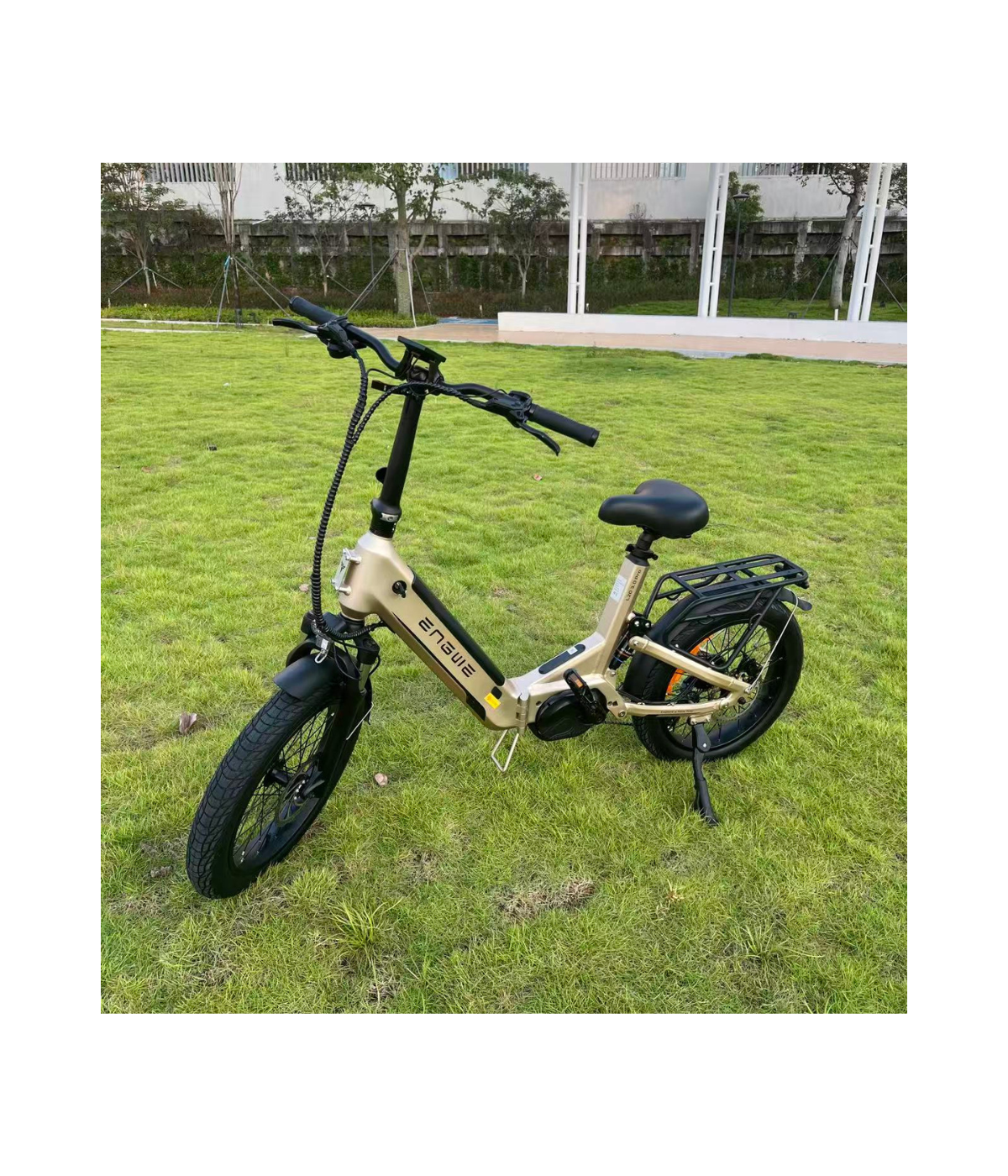
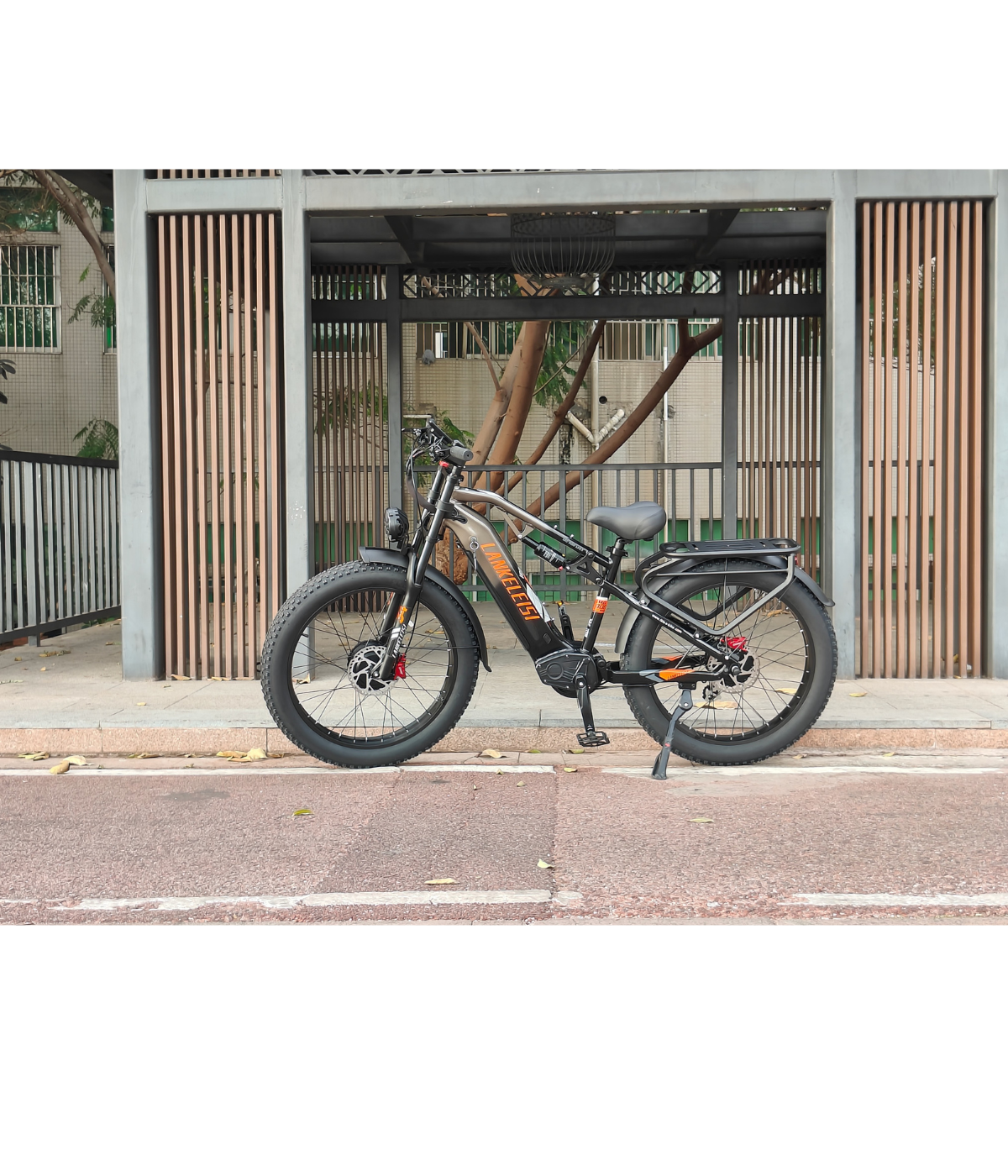
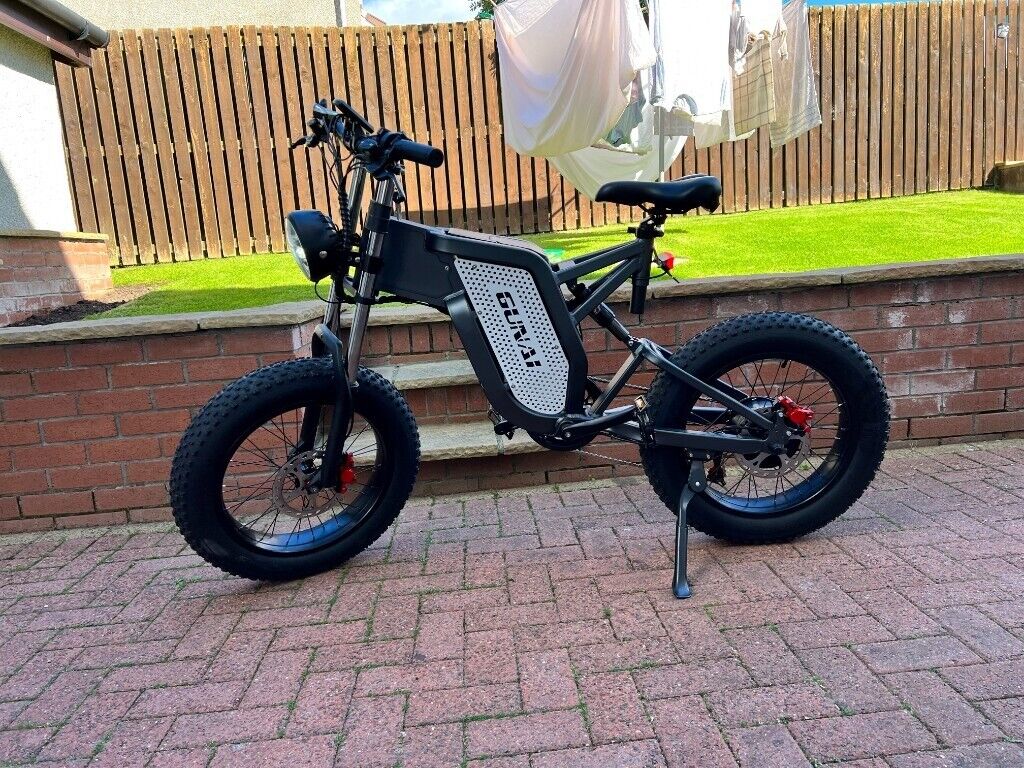
Fig 1. Technical illustration: Is Your E-Scooter Losing Power Mid-Ri...
Start Here: Rule Out the Obvious (But Often Missed) Stuff
Before you assume something’s broken, check these three things—they take less than a minute:
- Is the battery actually charged? Plug it in and watch the indicator lights. Some scooters show “full” even when they’re only at 80%, especially if you’ve been riding hard or in cold weather.
- Are the connections snug? Unplug and replug the battery. A loose connection between the battery and the scooter body can cause intermittent power loss.
- Did you hit the speed limiter? Many commuter scooters automatically reduce power after reaching a certain speed or distance to comply with local laws. Try slowing down for 10 seconds, then accelerating again.
Check the Throttle and Brake Sensors
Your scooter has safety sensors built into both the throttle (the twist or thumb lever you use to go) and the brake levers. If either gets stuck—even slightly—it can trick the system into thinking you’re braking while trying to accelerate. This causes the motor to cut out.
Here’s how to test it:
- Turn off your scooter.
- Gently wiggle the throttle back and forth. It should move smoothly and return to its resting position without sticking.
- Do the same with both brake levers—they should spring back fully when released.
If anything feels stiff or delayed, clean around the mechanism with a dry cloth. Avoid spraying lubricants—they can attract dust and make things worse.
Look for Error Codes or Blinking Lights
Most modern e-scooters flash a pattern of lights when something’s wrong. Count the blinks (e.g., three short flashes, pause, repeat). Then check your owner’s manual—or search online for “[your scooter model] error code [number of blinks].” Common codes point to issues like controller faults, motor overheating, or battery communication errors.
No manual? Try this: power off, wait 30 seconds, then power back on. Sometimes a simple reset clears temporary glitches.
When to Suspect the Battery or Controller
If the above steps don’t help, the issue might be deeper—but don’t panic. Two likely culprits are:
- Battery cells degrading: If your scooter dies suddenly at 30–40% charge (not gradually), one or more internal battery cells may be failing. This usually happens after 1–2 years of regular use.
- Controller trouble: The controller is the “brain” that tells the motor when to run. If you hear clicking sounds or notice inconsistent power (surges followed by drops), it could be failing.
In both cases, contact the manufacturer or a certified repair shop. Don’t try to open the battery pack yourself—it’s dangerous and usually voids the warranty.
Mistakes That Make Power Loss Worse
Avoid these common habits that stress your scooter’s system:
- Riding with a nearly dead battery regularly (below 10%)
- Storing your scooter in freezing temps or direct sunlight
- Using non-original chargers (they can damage battery chemistry)
- Ignoring water exposure—even “water-resistant” scooters aren’t waterproof
Small care habits add up to longer, more reliable rides.
Ready for a More Dependable Commute?
If your current ride keeps leaving you stranded, it might be time to consider a model built for daily reliability—with solid battery management, clear error feedback, and commuter-focused design. Explore our selection of commuter-ready e-bikes and scooters—all tested for real-world consistency, not just specs on paper.
Hab letzte Woche den Controller falsch verkabelt und dachte, der Akku sei leer – dabei war’s nur die falsche Polung am BMS. Jetzt check ich erstmal immer die Stecker, bevor ich panik schieb.
Leave a comment