






Hydraulic vs Spring Suspension: Why Your E-Scooter’s Ride Quality Isn’t Just About “Bounce”
TL;DR - Key Takeaways
- Spring suspension is cheap and simple—but offers zero damping, leading to uncontrolled oscillations after bumps. Hydraulic (oil-damped) suspension actively resists motion via fluid viscosity, delivering controlled rebound and superior ride stability.
- For urban riders hitting potholes or cracked sidewalks daily, hydraulic isn’t a luxury—it’s a necessity for tire grip, braking control, and long-term joint health.
The Physics of Getting Smacked by the Pavement
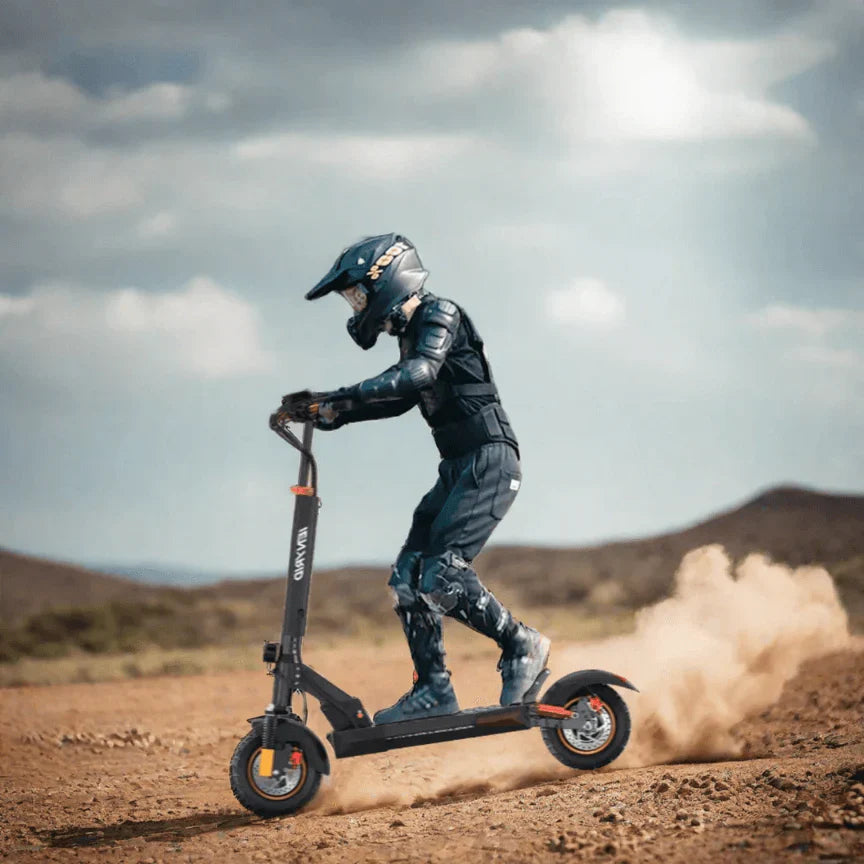
Let’s cut through the marketing fluff: “suspension” on budget e-scooters often means nothing more than a coiled spring slapped between the deck and fork. That’s not suspension—it’s a trampoline with delusions of grandeur. Real suspension does two things: absorbs impact and controls rebound. Springs only do the first. Without damping, every bump sends your scooter—and your spine—into chaotic harmonic resonance. You don’t just feel the pothole once; you feel it three times as the spring oscillates like a drunk metronome.
Hydraulic suspension, by contrast, uses a sealed chamber filled with oil and precisely calibrated valving. When the wheel hits a bump, the piston forces oil through tiny orifices. The resistance created by the oil’s viscosity converts kinetic energy into heat, killing oscillations before they start. This isn’t theory—it’s Newtonian mechanics in action. The result? One clean compression, one controlled rebound, and your tires stay planted on the road where they belong.
Why Cheap Springs Sabotage Safety (Not Just Comfort)
- Tire Contact Loss: Undamped springs cause wheels to skip off the ground after impacts. No contact = no braking or steering control. At 18 mph, that’s how you eat pavement.
- Brake Dive Amplification: Under hard braking, spring-only forks compress violently and rebound unpredictably, shifting your center of gravity and increasing stopping distance.
- Fatigue Accumulation: Micro-vibrations from uncontrolled rebound travel up your arms and spine. Over time, this degrades focus and reaction time—especially dangerous during night rides or high-speed commutes.
Don’t believe the spec sheets that list “front suspension” without clarifying type. If it doesn’t explicitly say “hydraulic damping” or show an oil-filled cartridge, assume it’s a glorified slinky.
Bottom line: Spring suspension belongs on $300 toys. If you’re spending over $600—or riding more than 5 miles daily—you deserve proper damping. Your wrists, your tires, and your survival instinct will thank you.
upgrade your ride hereFrequently Asked Questions
Q: Can I retrofit hydraulic suspension onto a spring-equipped scooter?
A: Almost never. Hydraulic units require specific fork geometries, oil seals, and mounting points. It’s cheaper and safer to buy a scooter designed for real suspension from day one.
Q: Are air-sprung suspensions better than coil springs?
A: Only if they include hydraulic damping—which most budget e-scooters don’t. Air springs still suffer from uncontrolled rebound without oil valving. Don’t be fooled by “air suspension” buzzwords.
Q: Does hydraulic suspension need maintenance?
A: Yes—but far less than you’d think. High-quality units are sealed for life. Avoid submerging them, and inspect seals annually for leaks. A well-built hydraulic damper should outlast the scooter’s battery.
Vale, gracias.
Tried swapping my scooter’s spring suspension for a cheap hydraulic setup off AliExpress—ended up with more oil on my garage floor than in the damn dampers. Anyone know if rebuilding those knockoff cartridges is even worth the headache?
Leave a comment