





2026 European Micro-Mobility Mandates: The End of the 'Wild West' for E-Scooters
"The era of regulatory grey areas is officially over. Across Europe, 2026 marks the implementation of the strictest micro-mobility enforcement frameworks in a decade. Ignorance of local motor wattage caps will now result in immediate vehicle confiscation." - Strict Industry Analyst
Operating an electric scooter in Europe requires precise adherence to a fragmented, yet increasingly hostile, set of national laws. For 2026, the baseline European Union standard remains firmly in place: legal pedelecs and compliant electric scooters are strictly limited to a maximum continuous rated motor power of 250W, with motor assistance required to cut off entirely before reaching 25 km/h. However, national jurisdictions have layered severe operational restrictions on top of these EU baselines.
Germany continues to enforce its rigid Elektrokleinstfahrzeuge-Verordnung (eKFV). A scooter in Germany is only legal if it possesses an ABE (Allgemeine Betriebserlaubnis) certification from the federal transport authority. The speed limit is uniquely capped at 20 km/h, not 25. Furthermore, 2026 enforcement has ramped up on the mandatory insurance plate (Versicherungskennzeichen). Operating a non-ABE certified scooter, such as a dual-motor import, on public roads will result in uninsured driving charges, which carry severe financial penalties.
In France, following the complete ban of rental scooters in Paris, the regulatory focus has shifted heavily to private ownership. The nationwide speed limit remains 25 km/h, but local municipalities are increasingly requiring mandatory liability insurance (assurance responsabilité civile) specifically covering personal light electric vehicles (EDPM). Riding on pavements remains strictly forbidden, carrying fixed fines starting at €135.
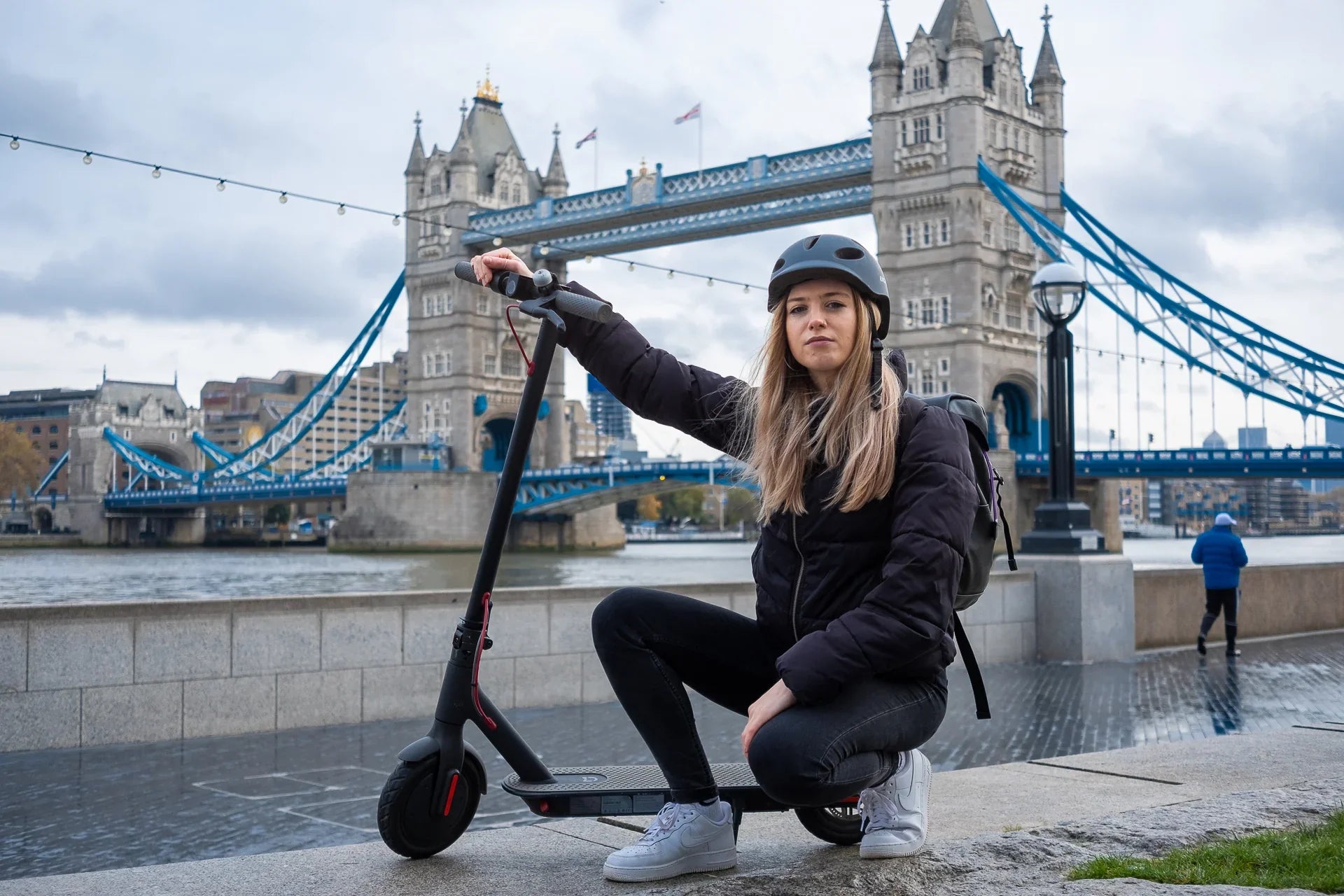
The United Kingdom remains the most restrictive major market. As of early 2026, privately owned electric scooters remain entirely illegal to ride on public roads, pavements, or cycle lanes. Despite years of government trials for rental schemes, private use is restricted solely to private land with the landowner's permission. Riders caught on public roads face immediate vehicle seizure, a £300 fine, and up to six penalty points on their driving license. Importers and riders must heavily scrutinize their local municipal codes before deploying any vehicle exceeding the 250W continuous threshold.
Se supone que mi patinete tiene que cumplir con la normativa nueva, pero el firmware no se actualiza ni a palos… ¿alguien sabe si hay que reflashear el controlador o es problema del Bluetooth?
Tried swapping out the brake sensor on my Ninebot last week and somehow bricked the whole controller—now it thinks I’m doing wheelies at a red light. Anyone know if the new EU regs mean I’ll need certified techs just to change a tire? 😅
Leave a comment